
In this episode of the Superinsight podcast, we sit down with Katie Reed from McMahan Law to explore how artificial intelligence is transforming the legal profession. Join our founders Luke Connally and Nelson Chu as they discuss real-world applications of AI in law practice, the challenges attorneys face, and the future of legal technology.
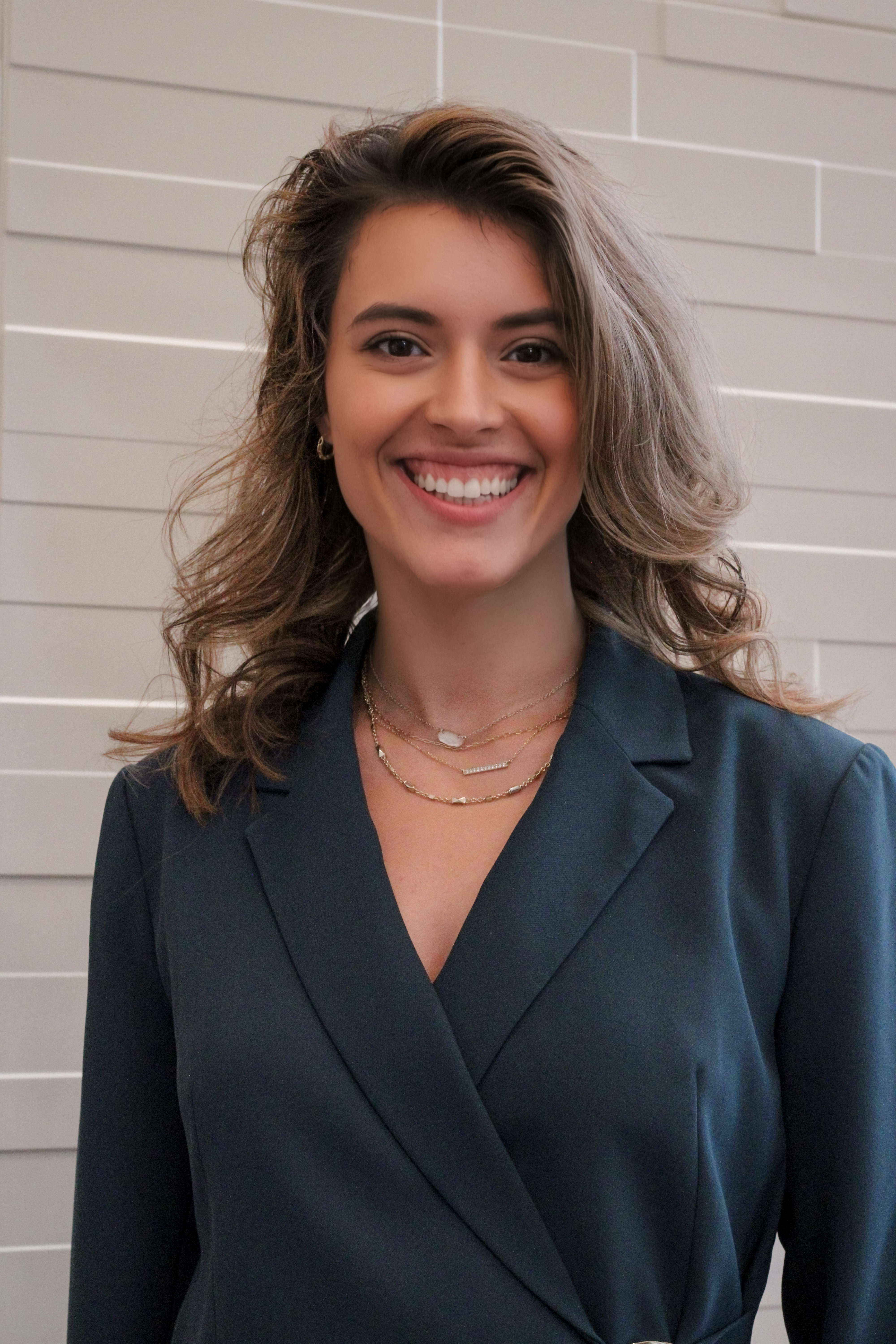
Katie Reed
Attorney, McMahan Law Firm
Personal Injury & Disability Law
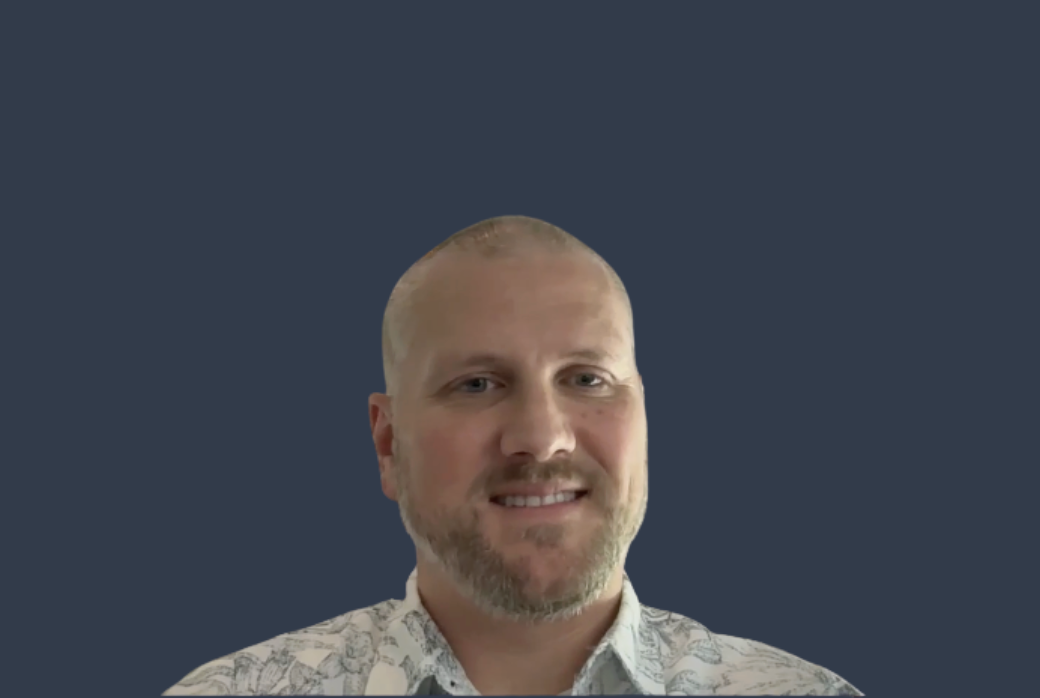
Luke Connally
Co-Founder, Superinsight.ai
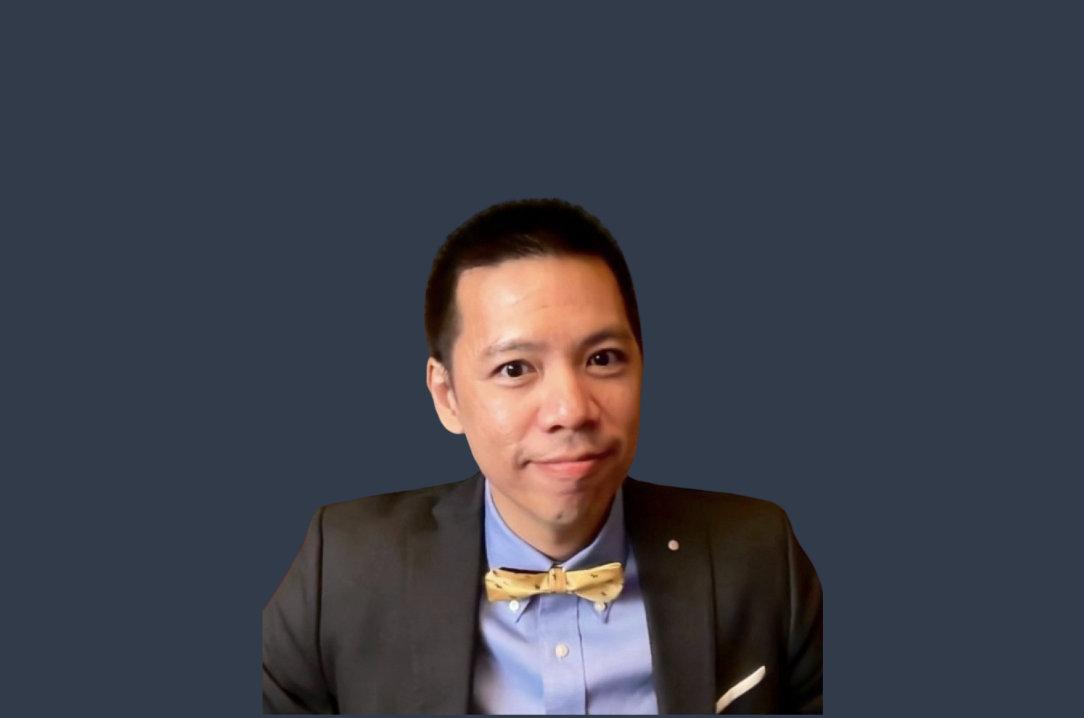
Nelson Chu
Co-Founder, Superinsight.ai
🎧 Listen to the Podcast
Listen on Spotify • 32-minute episode
Episode Overview
This episode delves into the practical applications of AI in legal practice, featuring insights from an experienced attorney who has witnessed the transformation firsthand. Katie Reed shares her perspective on how AI tools are changing the way law firms handle cases, manage documents, and serve their clients.
Key Topics Covered:
- The evolution of legal technology in modern law firms
- Real-world challenges attorneys face with traditional methods
- How AI is improving efficiency and accuracy in legal work
- The future of legal practice with emerging technologies
- Practical advice for law firms considering AI adoption
About Our Guest
Katie Reed is a personal injury attorney licensed in Tennessee and Alabama, where she represents individuals in workers' compensation, disability, and accident cases. She earned her law degree from Lincoln Memorial University Duncan School of Law and holds a Bachelor of Science in Justice Studies from Georgia Southern University.
Since beginning her practice in 2021, Katie has devoted her career to standing up for people whose lives have been turned upside down by injury and hardship. Beyond the courtroom, Katie is an active member of the Chattanooga legal and nonprofit community, serving on the board of the Chattanooga Ballet and Ivy Academy, and is a board member of the Chattanooga Bar Association Young Lawyers Division.
Katie is also actively involved with the Tennessee Trial Lawyers Association and NOSSCR, and embraces her role as team mom for her sons' baseball teams. At home in Chattanooga, Katie and her husband are raising two young boys, and their family's journey has been shaped by resilience after her husband's spinal cord injury and remarkable recovery.
That experience deepened Katie's empathy for families facing sudden challenges and fuels her passion for helping others. She is dedicated to guiding people through some of the hardest seasons of their lives with compassion and determination, bringing this unique perspective to our discussion about how AI can support legal professionals in serving their clients better.
📝 Full Transcript
Luke Connally (00:07)
Hi, welcome to our podcast. We discuss everyday people whose lives are on the front lines of the legal industry and the technology they use to innovate and how the changes are affecting them and the clients they work with. I'm your host, Luke Connally.
Nelson Chu (00:27)
And I'm your other host, Nelson Chu.
Luke Connally (00:30)
and we're happy to have you come along with us.
Luke Connally (00:33)
Today, we're going to be talking about the intersection of technology and the legal industry and talking to, ⁓ real people who are on the front lines, navigating all the changes in that process and realizing the impacts as well. so in this episode, we actually sit down with, ⁓ Katie Reed. She's a personal injury and disability attorney whose journey into law was shaped. by deeply personal experiences, from her father's incarceration to her husband's life-altering accident. Katie is going to share how these moments inspired her passion for justice, empathy for her clients, and her commitment to making the legal system more accessible. She's now designated as her firm's AI research lead, which is pretty cool. and she's pioneering ways to integrate artificial intelligence into high volume legal practices, from analyzing medical records to streamlining casework while navigating the challenges of change management within her firm. Her story is one of resilience, innovation, and redefining what it means to practice law in the age of technology. So we're happy to have Katie Reed with us this morning.
Luke Connally (01:50)
Hey, Katie, we're so glad that you ⁓ took time to sit down with us today. We're excited about exploring kind of this idea of technology, the legal industry, kind of where the two are meeting and sitting down with real practitioners who are navigating those changes. So we kind of have some questions interview style that we'd love to ask, but we really just want to get to know kind of to start. who you are and kind of more about your personal journey into where you're at. So could you kind of take us back to what inspired you to become a lawyer?
Katie Reed (02:25)
Yeah, and I appreciate y'all having me and getting the chance to share my story. ⁓ So my father was actually incarcerated when I was in elementary school. ⁓ I have always been a very anxious person, especially as a young child, and I love to read. So as a second grader, I didn't understand what was going on at all. ⁓ But there was a book in the library on law.
Luke Connally (02:30)
Yeah.
Katie Reed (02:55)
I checked that book out over and over and over again, and to the point that the librarian actually gave it to me because it was one of the older books in the library and was actually being held together with tape. And that's when I decided that one day that I would be an attorney, that I wanted to help people like my family, like my dad, ⁓ navigate the system.
Luke Connally (03:23)
Okay, that's pretty heavy at the same time. That's like a neat way to get started. It is different, you know, but I'm interested, how did, in that process of your father's incarceration, how did that kind of shape your interest toward law and being drawn to that book in the light?
Katie Reed (03:27)
No. It really helped me or showed me how the legal system affects not just the person that's a part of the lawsuit or the case, right? Like it's so much more than just the parties involved. ⁓ I felt powerless as a kid going through it. There was nothing I could do to help the situation. And I've always been a fixer, as some would describe. ⁓
Nelson Chu (04:11)
Mm-hmm.
Katie Reed (04:14)
But becoming an attorney would give me the power to be that fixer, to help other people. And so that just kind of is what planted the seed for having, you know, access, more human interaction, helping people navigate and understand. it's ironic that I didn't eventually go into criminal law or criminal defense, but that's kind of another part of the story.
Luke Connally (04:39)
Okay. Thanks for sharing that. You have mentioned previously to us that you've had some work experience with groups like MAD, Mothers Against Drunk Driving, as well as you've worked in a DA's office, kind of on the front lines of those types of situations that you've just explained to us. What did you learn from that?
Katie Reed (05:06)
Yeah, and that's kind of the other part of the story that I guess I alluded to a little bit. After college, I took a job with Mothers Against Drug Driving ⁓ after I finished my undergraduate at Georgia Southern ⁓ in justice studies, and I took a job as a victim advocate. So my job was to go with victims. Most of the time they were the surviving spouse or parent of someone that had been killed in a ⁓ vehicular homicide by intoxication ⁓ all over East Tennessee. ⁓ And the main part of my job was to go to court with them ⁓ and help them understand what was happening, what the judge was saying. What is this pretrial hearing? What's a sentencing hearing? And just kind of walk them through those steps. And before that, before I had graduated, I had interned at the DA's office.
And so those two experiences kind of changed my look on the criminal law. And while I think defense work is incredibly important and everyone deserves the right to a great defense, I knew that because of my work at MAD, I couldn't defend DUIs. I just didn't feel like it was fair to the people that I had worked for.
And it wasn't a great business decision to become a criminal defense attorney and not defend the UIs. So in law school, once I started law school, I kind of made that switch over and thought I was going to work at the DA's office. ⁓ And then I realized I was going to have a lot of student loan debt. And forgiveness was not guaranteed. ⁓
Luke Connally (06:41)
Yep. Yeah.
Katie Reed (07:00)
I have two boys and I didn't want them to have to have student loans yet. ⁓ When I started college, neither of my parents had a bachelor's degree. ⁓ And so this college experience was completely new for my family. And so I didn't want that for my boys. I didn't want them to have to take out those loans. And so I took torts and loved torts. And I started looking into personal injury and I was like, well, I could do this and I could still help people on a different side of the law, but maybe not be as limited in a government salary. And so that's kind of how I made that transition.
Luke Connally (07:43)
I like that. How did you also practice disability law though, right? Yeah, that's, know, those two, whereas they're similar, it's like, there is some big differences. How drew you into disability law?
Katie Reed (07:48)
I do. There is. So that is another life experience. My husband had an accident on Memorial Day weekend of 24. ⁓ He was sitting on the tailgate of his truck. ⁓ He was helping my sister move and installing her washer and had cut his finger. And he got lightheaded, so he went to sit down and he passed out. And he went head first off the tailgate of his truck ⁓ and broke his neck.
Luke Connally (08:03)
Okay.
Katie Reed (08:29)
Then a piece of his vertebrae went into his spinal cord and he was instantly paralyzed from his chest down. He is having miraculous recovery and we're very, very, very grateful. ⁓ He can walk now. ⁓ He got into surgery very quickly and we attribute a lot to that and had some great rehab at Shepherd Center in Atlanta, but
Luke Connally (08:51)
That's all.
Katie Reed (08:59)
that experience and that recovery process and in getting to know the other patients at Shepherd in Atlanta really opened my eyes to the world of disability. ⁓ We have a pretty large disability practice at my firm that's continually growing and they were looking for assistance and I, instead of hiring someone from the outside, it made sense. the firm and I that I had a heart now for for helping people like my husband. ⁓ And so that's how I made that switch over and started practicing disability law earlier this year. And it's been great. I really enjoyed it.
Luke Connally (09:43)
I love that story. I can relate tremendously with that story in my own personal, just overcoming injuries and what disabilities, how they affect individuals. How has that changed the way you interact with your clients? I'm assuming it has tremendously.
Katie Reed (10:03)
It has. I think it really helps me understand them more and give them more grace, be more empathetic to what they're going through. I also think it truly helps with the burnout. ⁓ I feel like as attorneys and maybe even as administrative law judges or workers comp judges, we see people
Nelson Chu (10:15)
you
Luke Connally (10:20)
Yeah.
Katie Reed (10:32)
with injuries all the time, that we just kind of become numb to these injuries. And our clients are living in like the worst part of their life. And they know that they weren't always like this. And so it can help, it has helped me take a step back and remind myself, these are their darkest days. and they're coming to you because they so desperately need help. Don't become numb to what they're going through. And I try to remind my staff that as well. So it's not only helped me, but I'm in a relatively small firm and the team here was incredibly supportive of my husband and I. And so reminding them, hey, you saw me go through this. Think about me when you're talking to them and you're frustrated. because you're listening to your fifth client today. Like, this is a huge deal to every single person that you talk to.
Luke Connally (11:38)
Yeah, yeah, that's powerful. It's so important to stay grounded in the work that you do. if being able to draw a direct line to like what the impact is, that's so powerful. Such a huge motivator. Thanks for sharing those things. I know that's probably not always easy to just share like that. I'd love to hear kind of like something. about some of your client, like something memorable like that, that like a big win that you got to have for a client or something like that.
Katie Reed (12:15)
Yeah, so I can actually tell you and it kind of ties into my husband's accident as well. So it's a big, it's a nice circle. So one of the cases that I have worked on, actually had a client that was at Shepherd Center for a brain injury. And her physician actually reached out to me. was a denied workers comp case. And it's a very niche injury.
Luke Connally (12:19)
Okay. Perfect. I love that.
Katie Reed (12:44)
he reached out to us. He said it was like one of the only times in his career that he's actually reached out to an attorney to help get something done. And causation was a big issue there. Did what happened at work was that what caused she had had a stroke. And so that connection is actually what got my husband admitted to Shepard. ⁓ But once we came home, actually while we were
Luke Connally (12:54)
you
Katie Reed (13:11)
actually while we were in the hospital, she came down for a, like a post discharge checkup. And so I got to sit in the hospital cafeteria with her and her caregiver and have lunch. and because of her an injury initially she couldn't talk. And so those were the first times I got to hear her say words. ⁓ and then since that, since I got home and got back to work, I got to go visit her and see her stand, ⁓ for the first time.
And so it's like our stories are kind of intertwined, but also, you know, we were able to successfully get her workers' comp case covered. And she's getting care through the workers' comp system. ⁓ And that care is, you know, giving her now she can talk and she can stand. And so that was a huge, a huge win for us. ⁓
And I am forever grateful for her and her case because it helps my own family with those connections too.
Luke Connally (14:16)
That's awesome. I love hearing the stories. The stories are so important.
Katie Reed (14:21)
Yeah. Those are, and the stories are what keep you going, right? Those wins, those, because it's not always a win in this line of work, but the wins help you get through the losses.
Luke Connally (14:36)
Yeah, and you got to humanize it, right? Otherwise it's just a piece of paper, And you know, it's a different kind of story when you read it like that. But yeah.
Katie Reed (14:49)
I also work as a mentor for students that are going through my law school and we meet once a semester and talk about different things like resilience and empathy ⁓ are two of the topics and I have told the students that the empathy that you have for your clients and what they're going to you will drive you and give you that resilience to keep going and so that's a huge factor.
Luke Connally (15:19)
Love that. That's perfect. You give a masterclass on that. So I think that's great. That's a good spot for you to be in. I like that. Gives me hope for the future lawyers ⁓ who are being ⁓ shown really, that's where it matters, know, the human factor. can't disregard that. Yeah. Well, let's get into like some of the challenges of being a lawyer now. Like,
Katie Reed (15:27)
and enjoy it a whole lot.
Luke Connally (15:47)
What's the, what is the typical timeframe for like working one of these cases and what are some of the biggest challenges you face?
Katie Reed (15:55)
You know, I think in disability cases, we're looking at two to three years, right? If we've got to take something to a hearing level, you know, in a workers comp case, we can be looking at a year to, I just closed my oldest case was four years old. The human body takes time to heal. And so when you're dealing with cases that have injuries, have to kind of wait those out. Even our car wreck cases, we have a one year statute of limitation here in Tennessee, but often our cases go longer than that because sometimes we don't even know where the client, when the client's going to be done treating, what are their medicals actually going to be. ⁓ So a lot of our cases here run, you know, 18 months on an average. It's going to be longer if it's a disability or workers' comp.
Nelson Chu (16:30)
Hmm.
Luke Connally (16:50)
one time.
Katie Reed (16:53)
case. And so that's a lot of contact for your client too. ⁓ And they very much become, you know, parts of your everyday life, because you're talking to these people in and out for, you know, 18 months, two years. And so it I would say caseload wise, we have a higher caseload than most and we have great teams to help support that. But there are certainly days where I can be on the phone all day long because of client contact and client needs. And that can get hard when you have other things that you need to do like administrative or legal research or medical record summaries or file review.
Luke Connally (17:36)
Yeah.
Katie Reed (17:47)
I'm never bored and certainly always busy and I generally work after I put my boys to bed.
Nelson Chu (17:56)
Yeah.
Luke Connally (17:56)
Yeah, Nelson and can both relate with that.
Katie Reed (17:59)
Yeah.
Nelson Chu (18:04)
Yeah, so Katie, when we first met, you say, hey, I'm the AI research lead for the firm. That's very interesting. How did you become that role, that position?
Katie Reed (18:17)
I think by happenstance I am probably the most technologically inclined person at the firm. At least I was earlier this year. I have held the role as the youngest attorney at my firm from the time I started until this past March. And so...
Nelson Chu (18:41)
me.
Katie Reed (18:44)
I just have naturally gotten all the technology things, but I am also an AI user ⁓ in my own life. ⁓ I was diagnosed with ADHD actually while I was studying for the bar exam. And AI has been incredibly helpful in managing my executive function skills, managing my time, both in my personal and professional life. ⁓ It has been a huge tool ⁓ in helping me navigate those more administrative tasks so that I can focus more on client contact at work too. Yeah.
Nelson Chu (19:29)
Yeah. Can you give us some examples like in the office, you know, in the office, away from the office, what are some of the tools that you use day to day?
Katie Reed (19:37)
I'm a ChadGBT user. ⁓ I can use it in my personal life as simple as I need, like my son started kindergarten this year and so I have my my oldest is at kindergarten, my youngest is still at daycare. I need to get somewhere by 5 30. I work here, I have one kid here, my other kids here. What time do I need to leave work?
Nelson Chu (20:05)
Wow.
Katie Reed (20:06)
And I'm not
Luke Connally (20:06)
I love it. Great practice.
Katie Reed (20:08)
a time person. I have no concept of time. And so it helped me. It helped me decide what time I needed to leave work. ⁓ Making grocery lists. But even outside of chat, I am a Plot AI user. So it's a recorder. ⁓ It helps me record client calls or adjuster calls or meetings. And then
Luke Connally (20:19)
the
Katie Reed (20:35)
I have drafted prompts into their system. And so I can upload my recording and click a prompt and it makes my case note that I can put into our case management system. It produces a letter for the client. Hey, we met today. This is what we talked about. These are the action steps. ⁓ I've had a phone call with like a car wreck adjuster or work comp adjuster. We settled this case. Hey, confirming we settled this case. Here's our hold harmless letter. and the instructions to write the check. It's taking those administrative tasks away and making things a whole lot easier and also helping us document what we're doing on a day-to-day basis better. And then of course, I came to you all to help find that medical record side and the chronology side, because medical records are a huge part of our disability, of our car wreck, of our workers' comp practice. ⁓
and I am certainly not a doctor. So, it takes me a lot longer to read a medical record. ⁓ I don't think I'll ever get that fast at it, but implementing the Superinsight AI software to help us go through those medical records ⁓ and has made me ⁓ smarter about what I'm looking at, right? And faster.
Nelson Chu (21:35)
Right.
Luke Connally (21:56)
Awesome.
Nelson Chu (21:59)
Yeah, yeah. That's kind of like the good side of AI, right? But we hear all the time, you have attorneys who completely trust it, don't check the source document and just let it go, let it fly. And then you have some who won't even touch it and say, I don't trust it. Why do you think there's two type of behavior within the same practices?
Luke Connally (21:59)
I love that.
Katie Reed (22:24)
think it's just the change. think everyone fears change. Everyone fears the unknown. ⁓ But I also think as humans we're naturally lazy and we're looking for the easy way out. ⁓ AI can't do the work for you. ⁓ It's a tool to help you do the work. And I'm always shocked when I see somebody that's getting in trouble because
Luke Connally (22:37)
Fair enough.
Katie Reed (22:52)
they've submitted a brief that has fake case law in it. We all know better than that. We have seen it all. ⁓ But you know, we've also we've had a lot of pushback here. And some of our support staff ⁓ thinking that AI is going to going to take their jobs are going to replace them. And what I've told the support staff is it's not going to replace your job, because there has to be a human side to AI, there has to be
Luke Connally (22:56)
Yeah, that's the one that keeps happening.
Katie Reed (23:22)
that safety net, that person that's checking it. But what will replace you is someone that knows how to use AI and implement it and all of a sudden can do the work faster. And so if we want to compete, which is the nature of our business, right? There are plenty of personal injury firms. There are lots of injury cases, but if you want clients, you need to know how to use AI. so that you can do things better, faster, and be more informed. And so that's given them some good insight and has helped encourage people give it a try. ⁓ And for us, once we were able to show our support staff what it could do and how it could help them, it really changed their tune on being more willing to use it.
Nelson Chu (24:13)
Mm-hmm. Yeah, that makes sense. So, you know, a lot of people fear, well, if AI is so productive, then I don't need to spend so much more time for a case, then I'll be out of the job. But there's also an argument, well, maybe we can take a lot more cases. We can help a lot more people. How do you think that dynamic will change now? More firms are using AI. Everybody is more productive. And let's say everybody keeps their staffs, right? Does it help more? people in need because of AI. What do you think about that?
Katie Reed (24:50)
think it can certainly help you take more cases. ⁓ You know, I've heard the saying that we all have the same 24 hours, right? ⁓ And we all need that work-life balance, right, too. So if it can help you be more productive during your work hours, then that gives you more of that balance to have time at home. And maybe we're not working once we better get to bed or working on the weekends. ⁓ But also, I think it's going to help us take on more hearings. from a disability side and being able to help more people. Because I know, you know, personally here at our firm, when I started doing the disability work, we physically could not schedule any more hearings because we didn't have enough attorneys to do so. And so that adding me and then adding the AI is allowing us to have more hearings because it's cutting down that hearing prep time.
But at the same time, it does take a little bit more time to learn how to use it. ⁓ And you still can't blindly trust it. But I would also say that not only is it helping us take on more clients, it's us be more prepared and informed ⁓ when we're prepping the file. And I say that something that I would never understand or
Luke Connally (25:57)
Yeah.
Katie Reed (26:19)
pick up in a medical record, like a random acronym that's a test that I don't know about because I've never experienced. There's a lot of medical conditions out there and you're not going to be the expert in everything, especially when you're dealing with disability law. It picked up on those, explained to me what those were and I was like, ⁓ that's a great argument now that I can give to the judge that I would have never understood beforehand. So yes, more cases, but also I would say better outcomes. because it's making better attorneys.
Nelson Chu (26:51)
Yeah. Very interesting. Yeah. Yeah. So when I met Luke, you know, he came from a veteran's background and then he was, you badly injured. And then when AI came along a couple of years ago, he like, well, there gotta be something that AI can do to help veterans looking better records and helping other people. So that's how we got started. Right, Luke? Yeah. Yeah.
Luke Connally (26:52)
Let's go. Yep. Yeah, that's a big push, a big part of our, of my story personally relates with a lot of your story from that, from that standpoint.
Katie Reed (27:21)
Yeah, I can certainly relate. The VA helped a lot with my husband's accident care ⁓ because he had a catastrophic injury. The VA stepped it up and helped with his recovery. And I have had clients that are veterans that use the VA and it is not easy to read those medical records and they are certainly lengthy. ⁓
Luke Connally (27:26)
Yes. Good. Yeah.
Nelson Chu (27:46)
Yeah.
Luke Connally (27:50)
Yes.
Katie Reed (27:52)
That's actually.
Luke Connally (27:52)
Yeah. Yeah. In some ways it actually made us better because we had to start there. You know, like we had to start with a whole lot of mess, you know, there's a lot of things the VA can do well, but they are not great at structuring medical records.
Katie Reed (28:10)
⁓ It's actually funny that you say that because I was talking with one of our other attorneys here yesterday and showing them how to use Super Insight. And the whole reason was he has a hearing coming up with VA records and he wants to make sure that he's not missing anything.
Nelson Chu (28:24)
Yeah.
Luke Connally (28:24)
Yeah, we're good. Good. Yeah, we're always happy to help with that. ⁓
Katie, if there's ⁓ one takeaway you could kind of leave our listeners with to remember from your story, what would it be?
Katie Reed (28:41)
And I've thought a lot about this question. ⁓
Nelson Chu (28:44)
Hmm.
Katie Reed (28:47)
I think the takeaway is that resilience and curiosity and then wanting to learn can turn your hardest experiences into sources of strength ⁓ and improvement. ⁓ And so we're always learning, things are always changing. ⁓ We all go through hard times and that's just life. Some of us have harder times than others.
Luke Connally (29:00)
Yeah.
Katie Reed (29:17)
but we can use the learning and the hard times to better ourselves and then better the lives of our clients. ⁓ And the learning aspect, I think accepting the change and AI is big part of that. ⁓ I think it all goes hand in hand and at the end of the day, the laws about people and when we use our tools thoughtfully, those tools can help us better serve those people.
Luke Connally (29:45)
That's a great takeaway. I love it. I I think that should be everybody's takeaway, honestly. But no, on the veteran side, I can tell you the community of veterans, there's kind of a similar ethos that's starting to propagate, which is good. And it's this idea of what you just kind of highlighted for us. And it was coined by a guy named Scott Mann, who actually... ⁓
Katie Reed (29:49)
Thanks. you
Luke Connally (30:14)
great leader and teacher of this about storytelling. But it's the idea of being generous with your scars. And so today, we just want to thank you for being generous with your scars, as well as for you being having the, just that care for your clients and kind of stewardship over theirs.
Katie Reed (30:28)
Thank you. Thank you. I am honored to get to share our story. We, my husband and I both have always said that we will never know why. What is the why? Why did that have to happen? Why does he have to live with, you know, the spinal cord injury that he's had? But, and we wouldn't wish that on anyone. I wouldn't wish what my clients are going on, going through on anyone. but it is also the best and worst thing that has ever happened to us. ⁓ It has made us better people. It has made me a better attorney. And if our story can help, you know, just one person or one client, then to us, you know, it's worth it. And I am happy to share anytime because that's our motto, right? Just one person.
Nelson Chu (31:31)
you
Luke Connally (31:36)
love that.
Nelson Chu (31:37)
Yeah.
Luke Connally (31:38)
Well, that really concludes ⁓ our time with you today, Katie. But we're just, again, thank you for being generous with your time and sharing with us. Love your story. Tell your husband. Thank you for being generous with his story. And we hope the best for you.
Katie Reed (31:57)
I will thank you all so much for having me and for creating a tool that I now use ⁓ pretty much on a daily basis. ⁓
Luke Connally (32:06)
Awesome. We love it. All right. Go tell the world about it. All right. Thank you.
Katie Reed (32:10)
Yes, absolutely. Thank you guys.
Nelson Chu (32:16)
Thanks, Katie.
Related Resources
- Medical Chronology Services: Complete Guide for Law Firms
- Medical Record Review Company Guide
- How to Choose Medical Chronology Software
Transform Your Legal Practice with AI
Ready to experience the future of legal technology? Superinsight.ai offers AI-powered medical record review that can transform how your law firm handles complex cases.
Join hundreds of law firms who have already embraced AI to improve efficiency, accuracy, and client outcomes.
Start Free Trial