In this episode of Beyond the Case Files, Luke Connally and Nelson Chu sit down with Christopher Pozios on something many firm owners think about but rarely say out loud: how to grow without burning out, and what sustainable, high-performing practice actually looks like when long hours and pressure are the norm.

Christopher Pozios
Founder & Managing Partner, Nationwide Disability Law
Founder, JurisGenius
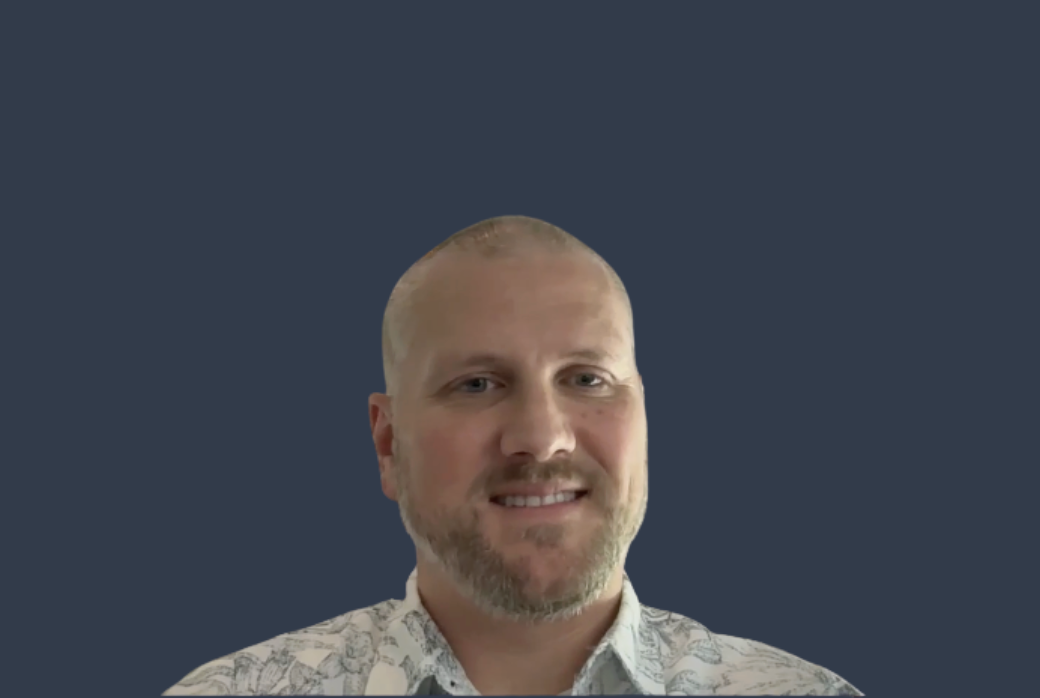
Luke Connally
Co-Founder, Superinsight.ai

Nelson Chu
Co-Founder, Superinsight.ai
About our guest
Attorney Christopher Pozios is the founder and managing partner of Nationwide Disability Law and founder of JurisGenius, and a dedicated advocate for individuals navigating the Social Security Disability process. With a strong commitment to efficiency and client service, Mr. Pozios is a firm believer in the power of well-designed workflows, clear Standard Operating Procedures (SOPs), and effective delegation to build systems that allow legal teams to operate at the highest level. His approach focuses on creating structured processes that improve productivity, enhance communication, and ensure that clients receive consistent, high-quality representation.
He practices Social Security law along with complex civil litigation, criminal defense, trusts and estates, and real estate law, and personally represents clients at hearings. He has written and lectured extensively on Social Security regulations and policies, and is a member of the American Bar Association, the Macomb County Bar Association, the Dade County Bar Association, and the National Organization of Social Security Claimants’ Representatives.
What makes Chris especially relevant for this conversation is his systems mindset: lean operations, workflow design, cloud-based practice infrastructure, and spotting the bottlenecks that quietly grind lawyers down. He keeps refining processes, experimenting with technology, and asking how firms can grow inside a framework that stays manageable.
Beyond his professional work, Mr. Pozios values balance and family life. He enjoys spending time with his wife and three children, whether at home or exploring new destinations together. Traveling allows him to recharge and experience new cultures, while tennis remains one of his favorite ways to stay active and competitive.
Learn more about Chris and his firm at nationwidedisabilitylaw.com.
Listen on Spotify
Listen on Spotify, 56-minute episode
Also on Apple Podcasts, YouTube, and other apps. Search “Beyond the Case Files.”
Episode overview
Christopher Pozios walks through how COVID-era relocation and remote Social Security hearings pushed him to run a cloud-based firm built around family life, then scale it with global staff, SOPs, and the outsourcing playbook that became Juris Genius. He maps his disability practice from intake (including how prospects find the firm today) through disciplined client communication, medical records, and hearing prep, including where AI-assisted review fits alongside lawyer judgment. Luke Connally and Nelson Chu draw out how he spots bottlenecks like missed calls and neglected case files, what “efficiency” means when fees are capped, how clients arrive via Google or ChatGPT and still need a human advocate, and why the first step off the burnout treadmill is often simple delegation: get off the phone and protect attorney time for real legal work.
Topics we explore
- Remote hearings, cloud infrastructure, and staffing beyond geography after COVID
- From admin overwhelm to Juris Genius: listing tasks, training talent, and consultative onboarding
- SSD workflows end to end: intake, monthly client outreach, records volume, and hearing preparation
- Burnout, margins, and metrics: calls answered, satisfaction, and case-management hygiene
- Marketing and trust when discovery starts on Google or ChatGPT; content as education
- Practical stack and habits: collaboration tools, AI where it saves hours, delegation before more software
Transcript
Luke Connally (00:08)
Good morning and welcome to the Super Insight podcast where we talk about everything technology, legal, medical, and where those intersections are in the practicum of where the attorneys, where the claims agents are meeting their clients and improving lives using the technology of today and tomorrow.
Today's conversation is going to be about something that most law firms and owners think about, but rarely talk about openly, how to grow without burning yourself out. In a profession where long hours and constant pressure are normalized, what does it actually look like to build a high-performing firm that's sustainable? How do you scale intentionally, protect your margins, design better workflows, and still protect your quality of life?
Joining us today is attorney Christopher Pozios, founder and managing partner of Nationwide Disability Law and founder of Juris Genius, which is a VA business. Chris practices social security law along with complex civil litigation, criminal defense, trusts and estates and real estate law. And he personally represents clients at their hearings.
He's written and lectured extensively on social security regulations and policies and is a member of the American Bar Association, the Macomb County Bar Association, the Dade County Bar Association, and the National Organization of Social Security Claimants Representatives. But what makes Chris especially interesting for today's conversation is his systems mindset. Over the years, he's become deeply focused on lean operations, workflow design,
cloud-based practice infrastructure and identifying the bottlenecks that quietly drive lawyers into the ground. He's constantly refining processes and experimenting with technology and thinking critically about how firms can grow within a framework that's actually manageable. So today we're talking about building a modern law firm that performs at a high level without sacrificing mental health, clarity, or long-term sustainability.
I'm your host, Luke Connally.
Nelson Chu (02:32)
and I'm your co-host, Nelson Chu.
Luke Connally (02:35)
Welcome to the Super Insight Podcast. Let's get into it.
Luke Connally (02:41)
to our podcast, Attorney Christopher Pozios.
Christopher Pozios (02:45)
Thank you for having me. Always great to talk with Luke and Nell.
Luke Connally (02:49)
And likewise, we always enjoy the conversation, the ideas and obviously the feedback that we get. You're definitely one of the clients that we like to spend time with because you always provide something new and interesting to talk about for sure. So.
Let's go ahead and jump into some questions, get to know who you are, get to know kind of where you came from. We like to kind of start with like what's going on in your life and how did you get to where you're at today? Where you're running a firm, also a startup. You know, we'll kind of get into that a little bit too, because it's a little different than probably most attorneys out there. And how do you sustain all that?
Christopher Pozios (03:41)
Yeah, so, you know, what kind of what I'm doing now is something that was sort of created from necessity based on family circumstance and geographic relocation. You know, in 2020, my wife started her family medicine residency and it was it was in Traverse City, Michigan, quite a ways from our home. So during that time as well, it was both a check on it literally. She was placed literally the week of the shutdown. And.
you we went to Traverse City and we were looking for places to live. And at that time, know, realtors couldn't even show places. So it was one of those things where the first thing we were doing was trying to find a place to live so that, you know, she can set up shop and do her training. And then, of course, all the professional stuff followed, right? It's, you know, the courts are closed right now. I am away from my office. I am in a new city. And what am I going to do with my practice? So the
The bulk of what I do is Social Security Disability Law. I have been doing it for 20 years now. This is our 20th year. So, kind of figuring out what's the plan next. So, the courts were closed and I needed to figure out I was gonna just refer out to some of my really good friends and partners in the area that I know and send the cases out. But at that time, Social Security notified everyone that they were gonna conduct hearings remotely.
So I told my wife, said, you know, they're going to be doing hearings remotely. I feel like I can keep this thing going. And I should add at this time, we had a six month old. So, you know, it was me and my, my baby Nicholas. So, so when they, when they announced that I said, you know what, it was like a track pistol went off. It was okay. Now I can handle these hearings. Now I have to figure out how to get remote staff and support.
Nelson Chu (05:19)
Mm-hmm.
Christopher Pozios (05:37)
So I sort of started to play with the infrastructure of creating a cloud-based law firm, know, all remote access, all remote assistance, you know, hosting, you know, all of the platforms for communication, case management software, transitioning that and migrating that to the cloud so that my team and my staff can access it and sort of build this out based on necessity, just to things going.
Luke Connally (06:04)
it
Christopher Pozios (06:04)
I know that, you know, pivot was a popular word during COVID and, you know, that was my pivot. That was the movement. So it allowed me a couple of things. It allowed me to, number one, take a look at my infrastructure in my firm, how to optimize that, and also sort of expand that. So with that was scale because now the opportunity was, you know, handling cases all over the country.
I used to handle cases all over the country, but it required fly outs. you know, I would be in Denver one day and I would handle a handful of cases in Denver. And then I'd jump on the plane and I'd head over to Casper, Wyoming. One of my favorites, by the way, old old cowboy country. So you have the real cattlemen and yeah, oil and gas and the mountain backdrop. But I was on the road all the time, you know, and I've got the American Airlines miles to prove it. So.
Nelson Chu (06:32)
Hmm.
Luke Connally (06:46)
Yeah. It's a cool place. Yeah.
Christopher Pozios (07:00)
When all that changed, know, everything, you know, the scale and the opportunity for scale, you know, was a unique one. And I knew that whatever infrastructure that I set up had to be nimble enough to scale up quickly as case volume picked up and sort of marketing strategies followed. So then it became a situation where you're sort of refining social media content and outreach and whatnot. So really embracing digital solutions.
in modernizing the law firm. So yeah, yeah, that's kind how that kind of forced out a necessity.
Nelson Chu (07:32)
Hmm.
Interesting. Now, Chris, walk us back, you know, 2020 in your mindset, like very different world back then, right? We're we don't know if we're going to survive as, you know, the human species. But then you went on and say, hey, I'm going to do this now. I'm going to go to and restructure my business. What was going through your mind at that point? Take us back. And, you know, are you starting from scratch? Are you, you know,
doing it all by yourself. What happened to your previous employees? What happened to your previous clients? Walk us through that process at that particular time.
Christopher Pozios (08:15)
Sure, yeah. So Nelson, focus was first and foremost was quality of life. So I've got a six month old that I'm taking care of and we don't have a nanny, we don't have a babysitter. My friends were all, well, let the nanny. I go, there's no nanny, there's no babysitter, it's me. I'm making the bottles, I'm changing them. My wife is working crazy hours in a residency program and kudos to her too because
Nelson Chu (08:33)
Yeah. Yeah.
Christopher Pozios (08:42)
The stress associated with that time in medicine is, you know, working in the unknown, you know, there's protocols in place. So they were sort of doing it as they went. And she worked for a very great health system up there. They were very accommodating. But the first focus was, I'm taking care of my son, you know, and I need to figure out how this is going to work and how this is going to work. As far as, you know, dealing with staff and whatnot, everybody stayed on.
Luke Connally (08:48)
Yeah.
Yeah.
Christopher Pozios (09:13)
It was one of those things where even individuals that weren't so tech inclined, it was sort of forced upon them and kind of forced upon all of us in the legal industry at that time. Because maybe once courts did open a bit, then we're using Zoom and it was sort of some of the things that were associated with that as far as the common pitfalls. I know we saw the older attorneys that had a cat filter on Zoom, things that...
Luke Connally (09:21)
Yeah.
Nelson Chu (09:39)
Hmm.
Christopher Pozios (09:40)
that there was definitely a learning curve, but everybody adopted to it. So it sort of created this baseline of proficiency in technology, which created an incredible opportunity for me to then say, well, you know what? Everyone's on Zoom anyway now. And everyone has a pretty good understanding of meeting via tech, whether it's people on either Zoom or Teams. I'm going to take this a step further, and I'm going to staff
Nelson Chu (09:58)
Mm-hmm. Yeah.
Christopher Pozios (10:09)
from around the world. I'm going to seek out talent from around the world and I'm going to create an academic curriculum, basically how I approach things, training in case management software, file drafting, Microsoft and Google suite of services, all of these things that, e-filing systems with the court. So sort of creating an academic curriculum and a thorough training.
Luke Connally (10:12)
Thank you.
Yeah.
Christopher Pozios (10:40)
where I can then have individuals trained in doing that. And it worked out really well. So I was using Overseas Talent to supplement my existing staff, for medical records requests, simple drafting, client communication, all of these things. And it went so well, I told myself, I should start a business that offers this service for individuals.
Nelson Chu (10:52)
Hmm.
Christopher Pozios (11:08)
You know, it's one of those things where I came from a place, you know, Nelson and Luke, where I was doing everything myself. Okay. I was answering my own telephone. you know, I was scheduling, I was answering, you know, all the discovery responses, other communications with clients and, you know, all the individuals I was doing it myself. And, you know, I look back at the, you the amount of business that might've slipped through the cracks, you know, missing calls.
inefficiencies, you know, and all of that. So that's what also sort of had me create this infrastructure of, know, SOPs using, you know, protocols, you know, as far as, you know, how things happen within my firm. So that's kind of how it all started. I mean, you know, it was the focus first and foremost on quality of life, spending time with my son, making sure that he's in a good space.
you know, and don't know if you've ever been to Traverse City, but it's a beautiful place and we ended up finding a great place right in town. And, know, literally I would take him out and he would go in the warm weather months. He'd be at the beach twice a day. And I didn't even pack a diaper bag because I was right there. I just take them home and change them and get them back out there. So he was super socialized. We saw people even when shutdown was happening. so, yeah, it's still a place near and dear to my heart.
We kept a place up there, so we travel up there often. And during residency, my wife later had twins. We had twins up there. yeah, so it was managing three kids. Right now, my oldest is six and the twins are four. So the focus is spending on time with them, you know, being involved, being active, you know, while managing my firm remotely. So it's wonderful. It's really been a blessing.
Luke Connally (12:41)
That's awesome.
Thank
That's awesome. You hit on some things that I think are important to kind of scratch a little deeper on because I feel like there's probably a lot of, mean, I don't feel, and you'd probably agree with this, we talked to a ton of attorneys who have been through or are in that same place where you were when you were kind of like, how am going to sustain this? I have to do something.
One, how did you keep from going nuts during that period? And two, what would your encouragement be? And also, we hinted on it a little bit in the intro, but you actually started another business to kind of solve this problem for yourself, which is where all great ideas come from. Like, I got a problem, I need a solution. And then it turned into something that,
I can help other people do this as well. So I'd love you to expand on that and kind of how you grew that out of your own necessity and how it fits in maybe where other people could find a solution today as well for that same problem.
Christopher Pozios (14:13)
Yeah, no, absolutely. at the risk of self promotion here, Luke, you know, the company.
Luke Connally (14:18)
Hey, it's
okay. This is an unashamed podcast. We're going to rename it unashamed podcast. This is a real problem. People need to hear it. you know.
Nelson Chu (14:24)
You
Christopher Pozios (14:25)
I got you. So
yeah.
Nelson Chu (14:29)
Ha ha ha.
Christopher Pozios (14:31)
It's true. It's really true. And I speak passionately on it because I experienced it myself. And how it all started was basically, just like I described before, was identifying all the problems. So I literally made a list of things that were like, these are admin tasks. They drive me crazy. I shouldn't be doing these, right? My focus should be on case preparation. It should be on critical thinking. It should be on strategy.
Whether that strategy with growing my business or strategy with a case and winning a case. So that's where it all started. And then from there, it sort of creates a roadmap of, well, how do I want to deal with all of these things? You know, whether it's software related and we'll get back to that too, Luke, because, you know, obviously we have a tech stack that we think really highly of, but, you know, whether it's a tech solution, whether it's a staffing solution.
You know, we identify all these things and how they're handled, you know. So that's kind of how that started. So when I get calls to Juris Genius from my staffing company, I, you know, I have a very frank conversation with these individuals because I've been in their shoes. And, you know, I'm not a sales guy by nature. I guess we're all salespeople in the law. You know, we sell a client to get their business. We sell the judge to get a result.
But in the traditional sense, I'm not a sales guy. So they call and I let them know right away, hey, yo, I'm an attorney too. I've been where you are. I've been in your seat. And then they sort of relax a bit and say, OK, listen, this is what's going on. I've got all these clients. I've got a voicemail box on my cell phone that's full. I've got case management software, which is fabulous if it's updated, but I can't do the debt.
Nelson Chu (16:04)
Mm-hmm.
Luke Connally (16:22)
Yeah.
Who's doing all those updates? Who's, who's moving people through the pipeline? Yeah.
Christopher Pozios (16:27)
Right, you know, so it's worthless if it's not updated and accurate and tasks created, you know, from that and managing intake and case statuses and new business and all of that. So I have a conversation and sometimes it goes an hour. Like it's just like event session and they feel a million times better after they talk to me. And, you know, they identify all these issues that they're having. know, first and foremost, I congratulate them.
I said, you're in a great spot here. You've got more business than you can handle right now. Okay. These are good problems to have. Let's, let's tame it though. Let's get systems in place where we can identify processes, eliminate bottlenecks, eliminate stressors, eliminate the taking home work, putting out fires, missing things with your kids. Let's eliminate all of that. Okay. And let's, let's first take a look at where you want to be. What do you want life to look?
Okay. And then let's go backwards and create a system that can reflect that. So, you know, it's one of those things where we have that conversation and they're relieved. You know, there's a plan in place now. There's somebody that understands what they're going through and has been through it and has successfully come through the other side. So, you know, it's rewarding work for me because I really feel like
It's a return on investment and quality of life. You know, it really is. You know, I feel as though, and I know a lot of people would agree as far as the attorneys that I speak to is we operate, you know, up here often. OK, we operate at high efficiency excellence. You know, we want to get results and we really don't pat ourselves on the back. We never had that moment of reflection to recognize the fact that hey, we're helping people often in their worst time.
you know, and it's one those things where we're doing very good work and we have so much of it oftentimes that we're onto the next emergency. We don't have that time for reflection. We're onto the next deadline. And you know, if you operate up here for too long, it takes its toll naturally. Right. I mean, you need that downtime you need, you know, and the thing is
If you can eliminate all the admin tasks, the thing that drives you nuts, the time consuming things that should be handled by somebody else, I'm telling you it's priceless. It really is for that peace of mind. The ability to sit back and say, okay, how do I want to run my firm? Do I want to take on another practice area? Do I want to expand? Now I can take a look at this and actually identify inefficiencies. Taking a look at what you have.
what you're working with. Well, I don't need this anymore or we can make changes here. It allows you to really reflect and take, you know, take, take accountability on kind of what you're trying to achieve. So yeah, that's why, you know, I speak passionately on this all the time and I truly believe in it. I really do. You know, it's, it's something that, you know, from a mental health perspective, from a quality of life perspective,
you know, we really need to understand what's important. And we recognize the fact, number one, we do really good work. You know, we're getting results for our clients. We're working incredibly hard So it's time to reward ourselves and kind of recognize that, you know, what comes with that. so yeah, I think that's the long answer to kind of what you were asking. Once I get going, I can go.
Luke Connally (20:06)
Yeah, no, no, it's great. So,
so what you're saying essentially is like growth doesn't have to equate to suffering for people. Like there's a, there can be a path to growth and still have quality of life and still help people. Cause I think that there's everyone's got it in their head at some point. Like if, if I do go this route, then I, then my clients suffer or I, I'm going to
Christopher Pozios (20:14)
No.
Luke Connally (20:33)
I'm going to suffer and a lot of times attorneys will suffer for everybody and no one, you know, it ends up hurting the practice in the long run, correct? Yeah.
Christopher Pozios (20:44)
Sure. yeah,
Luke, I'm telling you, the levels of burnout in this area, in this line of work is astounding. So it's one of those things. We deal with, our clients' problems often become our own, first and foremost. We can try and make that separation, but I'm telling you, it's very difficult to do so. In a disability practice, my range of clients goes from literally the homeless to...
executive level employees at the big three or Delta, you know, it runs that game. I mean, it's that wide of a range. And, you know, it's one of those things where, yeah, I mean, it takes its toll. Absolutely. So recognizing that and sort of creating systems that can handle a lot of the issues as far as admin and whatnot, where you can focus on results and kind of focus on what works for you. You know, it's
it's necessary.
Nelson Chu (21:45)
Yeah. You mentioned this a lot about efficiency, about quality of life, you know, with social security disabilities, there's a cap, right? So it's all about how efficient efficiency at the end of the day. Talk us through about your stack, like how are you operating from customer from the intake all the way to the hearing? What are you doing from the whole workflow that's making everything efficient for your firm and maybe for others as well?
Christopher Pozios (22:12)
Yeah, no, absolutely. So first and foremost is intake, handling intake in a way where we can kind of recognize and provide feedback immediately. So client sees us on Google, know, chat, GPT recommends us, they, you know, referral from a friend call comes in and immediately is summarized, emailed to a staff member or texted to me.
where it's monitored and questions are posed there. It's like, hey, let's ask about this a little further. Let's get some input on this. This is a client we're going to take. So it goes through the process as far as intake right away. So from the to put off into a number of actions that are immediately recognized. What's the nature of the call and the claim? Are there any other related claims that need assistance?
You know, are there any urgencies as far as deadlines that are that are needed and things like this? So from there it sort of branches off and sent to the appropriate individuals where tasks are created. And this all starts from our case management software. You know, from there it deals with, you know, constant client communication as far as. Medical records and updates and visits and who they're seeing upcoming appointments, consultative examinations from.
you know, from social security, sending them out to their physicians. You know, throughout this process, we have deadlines that need to be monitored, but also communication with the clients. Nelson, my biggest thing in this practice is the length of time that it takes from, you know, client contact to the firm, sometimes to ultimately getting a resolution, not by, you know, any actions or inactions on our part, but just by the system within which we're working. So our workflows are modified to deal with a lot of
intake.
we basically have, we have VAs on our firm, in our firm that basically deal with client communications only. So, you know, we have a standard that every single client in our book of business needs to be called every month, even if there's not an update in their case, you know, just to let them know, number one, we are aware that they are a client, we value their business. And number two, you know, that we have,
are monitoring the case that we're working on things. However, there aren't any updates right now, or if there are updates, we provide them. They really appreciate the fact that we haven't forgotten about them. You know, one of the issues with, you know, social security disability practice can be loss of clients during the process. They'll get frustrated even though they've managed expectation at the onset and have explained, you know, the length of time that this is going to take.
You know, if you don't follow up with them, they're naturally going to feel ignored, you know, even if you're not purposefully doing it, you know, so you have to maintain that steady communication. And of course, all of those need to be documented in the case management software. monitoring that is critical. mean, obviously you need staff to do that. Moving forward, you know, medical records retrieval, obviously this is what proves their case, right? So knowing when they're going to the doctor, knowing when they have updates,
You know, in all of those things are critical. And then once you have all of these documents and you're approaching a hearing, obviously you need to condense that. You need to have it in a format that's manageable because you're dealing with SSA files that can be, you know, two, 3000 pages, right? You know, in my own, you know, that went to an individual that basically dug through in the old, old days, that was me.
with a yellow legal pad, know, taking notes, you know, going through a file six hours sometimes, you know, getting citations, getting an argument, you know, all of those things. And obviously, you know, now we've integrated some tech into that and Super Insight's been critical for us, you know, obviously to condense those records, getting a really usable format that not only condenses the medical files, but also
Luke Connally (26:04)
You
Nelson Chu (26:04)
Mm-hmm.
Christopher Pozios (26:30)
creates a situation where we're prepped for hearing it. It allows us to better argue the case based on the use of it. obviously, we've been in communications about this and we've talked about the efficacy and modifications and whatnot. And they're really great conversations. It's one of those things where it saves six hours, seven hours of human labor to go through that.
And, you know, returning back to some of the points where, you know, the emphasis was focused on critical thinking, focused on preparation, you know, focus on the things that matter, that wins cases, that delivers results, which then delivers business, you know, it's invaluable. you know, and that's how we go. You know, post hearing the follow-up, you know, maintaining client communication, because they'll have answers, you know.
It might be familiar to me because I've been doing this for 20 years, but we're educating the client. We're easing their concerns. It doesn't stop at the favorable result. oftentimes that communication maintains throughout. So I'd like to pride ourselves in the systems that we create to sort of take that communication, understand how important it is.
but also how critical it is for our case preparation to actually learn what's going on in their life, not only personally, but medically, as far as the case preparation, because that allows us to better serve them. all of these things, and I know that for a separate pod, we could talk for hours about the specific systems and whatnot. I have individual clients contact Juris Genius and ask about, well,
you're going to get me somebody to assist me, you know, what happens next? And I let them know that I stay on board that, you know, I've got a pretty good general understanding of multiple practice areas and I know the needs that you have and also kind of collaborating with the client and understanding what's, you know, what are the critical things that are causing them the most grief. You know, I stay on board with them and say, Hey, what if we do this and sort of, you know, have a conversation.
And it's funny because, you know, I'll have my assistant reach out to Luke and Nelson and, you know, hey, let's, let's set a Google meetup and, you know, he'll say, well, what's the, what's subject? What do you want me to, do you want an itinerary? No, we're just going to, we're just going to talk. We're going to talk and we're going to come up with ideas and I'm just going to bring up some things that are problematic for me right now. And we're going to create solutions and we're going to talk it through. And, know, I do the same with my clients and.
Nelson Chu (28:59)
Thank you.
Luke Connally (29:04)
Hahaha
Nelson Chu (29:05)
Yeah
Christopher Pozios (29:20)
I check in with them at the 30 day mark and let them know, how are things going? And that's where we identify. So, well, what's not working right now? And they'll come up with a few things and say, well, let's try this. Have you thought about this? So it's one of those things where it's truly collaborative, but it's great to see because when they bring someone on board and they say, well, I want to try them out for 20 hours. And then they say, well, hey, do they have availability for four? Of course. And then it's, well, can we bring two more on?
We have a division that we're looking to expand that's admin heavy. And if we can have someone lighten that load, would be tremendous. So it's exciting to see. And we have that conversation at day one. And you can sense their stress, they're burned out. You talk to them at 30 days after placement. And they're energized. They're excited about growing their business. They're excited about working on their business rather than drowning in it.
So, you know, it's one of those things that it's really rewarding to see, you know, it's funny because, you know, an executive assistant of mine, it's, you know, I pull up in car line and kind of go over a dozen things that, hey, you know, these are things that have been on the back burner. Can we get these done? it's sometimes it transfers into personal life, Luke. mean, it's funny, like now for all the all the young parents out there, this is the season where signing up for summer camps and all of these things is happening. So.
you know, getting, you sending out some tasks to my executive VA, hey, you know, let's get the kids in tennis camp, let's get the kids in, you know, summer camp and, you know, booking travel, you know, making reservations. So, you know, the opportunities are limitless. It's one of those things where it can truly transform, you know, how you're living and
Luke Connally (31:09)
Yeah, I love that you you you alluded to kind of the fine tuning the feedback loop that you go through with clients and and and in with your own practice. Can it give us some insight to how you won? I guess. What do you see as like some of the big bottlenecks out there in the process? How do you identify those bottlenecks? How do you? You know measure the the signals in the metrics that kind of.
give you that feedback loop so that you can help people when you're having kind of this consultative process happen.
Christopher Pozios (31:46)
Yeah, absolutely. And the number one obviously is client loss. know, the complaint often is, hey, people weren't getting back to me. I wasn't getting timely responses. know, individuals that are lawyers that are trying to answer their own telephone and missing calls. It's impossible. If you're in court getting results for a client and three are calling,
Luke Connally (31:51)
Yeah.
Christopher Pozios (32:14)
You know, how many are you timely, right? You know, that's the immediate metric is client to satisfaction. And you'll know, you know, you'll know when you lose them, you'll know when you get the email that says, hey, why don't you ever get back to me? You know, all of those things, you know, that's the most immediate one. And those are the most critical to me, right? Customer satisfaction is number one. Without that sacrificing that you have nothing. mean, and I...
and adamant with that. I you really have to provide a service to your client that goes above and beyond because I don't know how many times, you know, we've gotten clients, well, we were at another firm and we don't coach any clients, okay? know, it's oftentimes we'll have to have the conversation with them that, hey, this is a long process in this field of law. I'm sure your firm, I know your firm and I know the attorneys at your firm very well. I'm sure they have not forgotten about you. It's just taking a long time. Once you reach out to them
sometimes we get, you calls from individuals where they've just been forgotten, or, you know, deadlines were missed or things were not followed up with. So, you know, that's the immediate stuff, Luke, that, you know, you see that and, and you know, right away that you're in trouble with that. Okay, you need to get back to people. So that's, that's my main thing. You know, within the firm, it's, you know, having a situation where you can't handle your business, you know, that that
If you brought on more work or you're turning away work, it's one of those things where immediate scale is needed. You need a scalable solution and SOPs to monitor all of that and create workflows that can address that. And I know I'm speaking about workflows and SOPs kind of generally, and that's just because they're so tailored to the individual firms and the necessities of the firm and the practice area.
And the client expectation, you know, I have I have the is a virtual assistance through Jurisgenius place with family law firms where there is a lot of handholding, you know, you know, clients are, you know, constantly contacting, you know, providing updates or frustrations. And, you know, it's one of those things where it can become problematic over time if the expectations not managed or.
or the calls are not routed appropriately where an individual can sort of take that feedback, pass it along, while you actually assess the from the legal perspective, trying to play therapist a little bit. And I understand that. And what we do, we play therapist quite a bit, right? Like I said before, I mean, we're dealing with individuals who have issues, right? Legal issues. And our job is to get results and get a resolution for those people.
You know, to do so, we need to understand and sympathize with what they're going through. And a lot of that takes, you know, that that time to do so, but it gets to a certain point where if it's ongoing and repetitive and things like that, you sort of need to deflect it a bit. You know, obviously address the concerns through staff, not yourself, because now you're working on this file and getting a result and kind of not going over, you know, some of the same things over and over again, politely, of course, but.
You know, you've got systems to address that. you know, it's tailored to the individual firm, the practice area in all that.
Luke Connally (35:41)
Okay, that's good to know.
Nelson Chu (35:42)
Yeah.
Hey Chris, I'm going to go back and double click on one of the things that you kind of mentioned. was thinking it's kind of interesting. You mentioned that people find you through Google, find you through ChatGPT. This is something new, right? Now a lot of the claimants are now on ChatGPT and asking a bunch of questions, right? And then they're finding, okay, this is too much for me. ChatGPT is not going to do all my paperwork. I got to find somebody.
Christopher Pozios (36:04)
you
Luke Connally (36:07)
I mean, they can't argue their
own case using chat.
Christopher Pozios (36:09)
Yeah.
Nelson Chu (36:12)
Right.
How did that kind of maybe if you have some insight you can share with some of the other firms and attorneys is like, how are you enabling that traffic from Google or from like the chat GPT to finding you guys? Sounds like that's a lot of your intake. Can you dive deeper into to to the, you know, your secret sauce in that?
Christopher Pozios (36:36)
Yeah,
you know, and I think it's just consistency. think that it's a couple things. It's delivering results. Okay, in your geographic regions with within where you practice. Letting the algorithm know that you practice there. Okay, so making sure that that's identifiable. And then offering a lot of content, which is helpful that individuals obviously visit and are educated or pass along or interact.
with, you know, I think that's all critical. mean, you know, we look at it from the perspective of we want to educate our clients so that if they do their due diligence about our firm, they look us up, they take a look at, you know, nationwide disability laws, social media stack, looks at our website, looks at our blog posts, look at our podcasts. They're all sort of created at, you know, at the start to address frequently asked questions, right?
things that were commonly coming up, things that people were curious about, common problems they were experiencing. So we sort of created a series to educate potential clients or just the public generally if they had questions about this. So it's gotta be relevant and it's gotta be helpful and it's gotta be genuine, okay? If you're just throwing stuff out there to try and get a marketing stack together and increase presence, without rich content that's informative and helpful,
it's something that's not going to be terribly productive for you. So obviously, getting that out there and we actually have the A's that assist with creating content for law firms. We have social media BAs specialized in the legal market. So it's one of those things where it's been actually tremendously popular because a lot of the clients we contact me say, well, I let them know, what's your social media presence? And well, what do you mean?
I got barely enough time to go to court. What are you talking about? You know, me posting regularly? Are you nuts? So, you know, it's one of those things where, where, yeah, and that's the Yeah. Yeah. And then, you know, those, what you're at, Luke was alluding to this earlier. You know, you've got a really informed client base now, right? Like they've got some tech tools at their disposal, which, you know, you see them with a really good understanding of, you know, what's going on, what.
Luke Connally (38:36)
Thank
Nelson Chu (38:39)
Hahaha
Luke Connally (38:42)
TikTok Chris.
Christopher Pozios (39:01)
you know, what the outlook is, what are the issues in these cases? So, you know, it's kind of similar to the situation where, you know, we've got individuals and my wife's in medicine. it's, it's, you know, individual self diagnosing or, you know, bringing a chat, diagnosis to an appointment. You know, I think I've got this doc. think it's really, no, you don't. Okay. Yeah. Yeah. You know, but you know,
Nelson Chu (39:16)
All right.
Luke Connally (39:22)
I'm pretty sure you gotta cut it off. I'm pretty sure.
Christopher Pozios (39:28)
With that comes the opportunity to have like an educated conversation with, yeah, you know what, this is something that is to be taken into account. And this is how we approach that. And we have a plan for this. And this is how we attack that. So yeah, you've got those individuals that really are very smart about kind of what's going on now. And good for them, right? Because if they're doing that, they're obviously genuine in their pursuit. They have concerns.
If they've got a baseline understanding either on content that I create or output, you know, it's one of those things, you know, Nelson and Luke, we find ourselves kind of being the human AI guardrail, right? Say, hey, this is a resource. Okay. So this is a tool. This is a tool in your balance.
Nelson Chu (40:11)
Yeah.
Luke Connally (40:12)
Yeah, Yeah, so
get them back in the guardrails, the safe zone. Yeah, they can go someplace. Let's switch gears a little bit. You alluded to tech stack earlier. Let's really dive into that. You were an early cloud adopter. You've kind of been more tech forward in your practice. What do you see as the modern tech stack?
Christopher Pozios (40:19)
That's right. Yeah.
Luke Connally (40:39)
What do you recommend when you talk to other attorneys who are kind in that same place and then kind of give us some things that have revolutionized what you do and how you do it?
Christopher Pozios (40:51)
Sure. obviously, speaking from my practice and kind of what I do, and obviously, like all law and legal fields, we've got results-driven goals here, and we need deliverables in software solutions and tech solutions that can first provide an ROI. And sort of taking a look at what
is problematic in your practice of time consuming. And oftentimes, if you can find solutions that take some of the critical review, condense it, and then make it applicable to crafting legal arguments, developing critical thinking from it, crafting case strategies, and whatnot. So obviously, Super Insight has been great for us. So one of the most time consuming things in what we do
in case preparation is obviously condensing the file, right? Huge files, a lot of data, dealing with medical documentation, which can be wordy, which can be problematic as far as sifting through, reading duplicates, identifying duplicates, condensing that into minutes versus hours of manpower is critical. It really is.
as far as, you know, communication with your team remotely, you know, using Slack for instant messaging, you know, getting back and forth with the team, obviously, who's in Google me, for, you know, FaceTime with clients from time to time that are tech forward that want to do it. They love it. They absolutely do. You know, at first I thought that it would be a situation where they thought it was a blow off that, you know, Hey,
You know, don't come down to the office. Let's just meet, but they prefer it. really do. The ones that are tech forward.
Luke Connally (42:49)
Yeah, mean, honestly, it's so much more convenient
for so many more people out there, especially if they are dealing with some mobility issues or things like.
Christopher Pozios (42:55)
Bye.
Yeah, no spot on Luke and you know with that, you know comes in a summary of the conversation right and then from that comes sending it to you know case management team that can identify task oriented things in the conversation. So if I let them know, you know, when's your next doctor's appointment. They let us know automatically. It's going to a case manager who already has, you know, a medical release form.
created in preparation for that appointment, which hasn't even happened yet. So communication is key and critical. Using some tools, as far as AI voice generation for some posts, as far as podcasts and whatnot. I know that sounds pretty out there for some people, but it's a thing. I like it.
Luke Connally (43:51)
Yeah,
it's definitely helpful. It's an extension of your brand. Yeah.
Christopher Pozios (43:57)
Yes, so
that allows you to be pretty nimble as far as having a plain conversation, creating an output, editing it, and doing all of those things. Obviously, cloud-based case management software, the ability to access it any time on any device, the ability to communicate with your team based on that, modified telephone systems with easy ability to drop in on a call quickly.
So if a message comes in, hey, got a client on the phone right now, they've got some issues. It sounds like there's multiple streams of referral from this as well. Because oftentimes, we have cases that come in for disability that have personal injury implications, that have workers compensation implications. They can even have family law implications. State planning for special needs trusts, things like that. I have the ability.
Nelson Chu (44:47)
Yeah.
Christopher Pozios (44:53)
to sort of split that in real time, send it to sources that can then recommend referral sources via email. I have emails that go back to some of these clients while they're on the phone and they say, well, we just got the email for your referral source for us in a state planning attorney. Pretty neat. It's that ability to be that nimble. And it all comes back to customer service and building these systems and modifying these systems.
And a lot of it's a trial and error. mean, that's what we kind of do. We identify problems, we throw a solution at it, we see how it works, and then we modify it again until it's where we want it to be. So it's just a focus and recognition that it's ever changing, that all of this stuff is going to be modified at some point. So it's approaching that with that open mind that, I'm open to
Nelson Chu (45:32)
Hmm.
Got it.
Christopher Pozios (45:48)
criticism and that's why our are so useful to me as well as I look at it from another view. I see it from the tech side, what's possible, identifying problems, and then discussing what's possible on the tech side of things. So yeah, I've been very fortunate to be introduced to a lot of very tech forward people in my life. And it's one of those things that I've really
Nelson Chu (46:14)
Hmm.
Christopher Pozios (46:18)
I've really, it's been a wonderful blessing.
Luke Connally (46:23)
Awesome.
Nelson Chu (46:23)
Hey Chris,
do you see the future of maybe family law, social security, stability, some of these practice area, maybe not all the practice area, but most of these practice area, the future of law with the right support, VA support in place, with the right technology in place, with tools like AI, do you think it's just going to be a one person firm just moving forward?
Christopher Pozios (46:46)
don't think so, but I think it can get really lean. I think that it can get extremely lean. I think that you can modify operations right now with what's available and you can reduce probably at least 30%. My thing is, I'm a margins guy. I truly feel as though you can run a modern cloud-based firm at like a 60 % margin, keeping 60 cents of every dollar you bring in and put that in your pocket.
And that's a goal and that's an aspiration for many. And a lot of people in the traditional firm model, it seems like it's unattainable. But based on the correct tech stack, based on systems, based on the tools that are available now and only getting better, OK, let me add, I think that's completely attainable. I really do. So yeah, that's a great question, Nelson. mean, it's one of those things where collaboration
with what we do. So I have attorneys all over the country, That obviously argue the cases and whatnot. And we work remotely, we communicate remotely and whatnot. And then you have support staff that is either local or it's anywhere in the world. And similarly communicating just like they're down the hall, right? There's days where I have the big monitor up in my office that has 15 tiles on it.
And everyone, camera's on. Let's discuss what's going on today. Regular meetings, going through what you want to achieve, identifying any problem issues, identifying any critical issues. Collaboration with staff, remote or otherwise, is critical. Getting that feedback and that direct feedback. And we have communication tools that are good enough that now you can get instant feedback, not only from staff, but the clients.
You know, we're really in an exciting time right now as far as what we can craft. But also, you know, kind of budget conscious, right? You know, we take a look at all the things. You know, we take a look at our tech stack and the basic analysis of all of this is does this save me time? How much time does it save? What does this cost me? And what's the potential revenue that can be increased based on my adaptation of this and fully using
this service, this new proposed portion of the tech stack. So that's sort of the basic analysis from an economic standpoint. Modern firm economics are shifting towards that. And that's just the way things are going to go as the tech becomes more prevalent and accessible and the quality, of course, because without which you're not using it. All of those considerations are made.
these are all really exciting things. mean, you look at this and you look at what's available to us now versus five years ago, right? mean, if you would have told me five, 10 years ago, we're doing things this way, it's like science fiction, right? This is like, minority report, pre-crime, like, all of these things.
Nelson Chu (49:56)
Right. Yeah. Yeah,
exactly. Right.
Luke Connally (49:58)
As Elon said recently, think he said, we're in the singularity.
Christopher Pozios (50:02)
Right, yeah. Yeah, that's the thing. Right? It was
Nelson Chu (50:03)
Hahaha
Christopher Pozios (50:07)
that what was the from a tech perspective, it was, it was going to be wearables, right? It was going to be tools that we would employ and then it would be direct basic cognition, which obviously a little fearful of, but.
Luke Connally (50:13)
Yeah.
Yeah,
we'll see.
Christopher Pozios (50:27)
Yeah, but you know,
as far as, oh, sorry, Luca, I cut you off.
Luke Connally (50:31)
No, no, it's okay. We're just running up against the clock here. So was gonna ask you one last question to kind of round it out. There's a lot of people who probably sitting on the fence. They've heard a lot. They're overwhelmed with all of the information that they probably heard. What's a quick win that you could recommend for them today that they could just like to start that process?
Christopher Pozios (50:59)
Yeah, I mean, if you're a small or solo and you're answering your own phone, in managing all the communications like that, it's killing you. It really is. I mean, you've got to get yourself off the phone. You've got to get yourself doing critical thinking, doing lawyer work, not doing admin work. And that's where it starts, And how the clients are treated starts with that communication, right?
Luke Connally (51:13)
Yeah.
Christopher Pozios (51:29)
you know, a hurried call to your cell, hey, I'm actually running into court right now. Can I get back to you? And then you never get back to them. And then it's a text message from them. Hey, what happened? You know, getting a a virtual assistant, you know, to run your voice phone system, you know, in managing all of that, you know, is critical. That's the number one thing that's, one of the things that has been the immediate help for people was, you know, getting off the phones.
Getting in front of their machine and actually working on cases and getting results. So, in a nutshell, and I know that there's a million things that I can offer as far as recommendations go, and a lot of it is tailored to the individual. That's been the number one thing that's been the most problematic for individuals. And then they're like, you know, it'll get to the point where, well, I can't afford to get a full time individual that can do that.
at Juris Genius at $9 an hour for a dedicated individual that's been trained to answer your phone for you and put the information. Right, oh yeah, mean to get that information into your case management software, create tasks for you, call the courts on your behalf if you're running behind, call the clients for you to book, managing your calendar, setting appointments, knowing which days are blocked off for free time where you can actually meet with people.
Luke Connally (52:32)
Pretty affordable.
Christopher Pozios (52:52)
You know, just right there, you know, that creates all kinds of opportunity. Now you've got time on your hand. Now, you know, well, okay, we've done we've gone this far. Now there's some other modifications and it just. Yeah, it's funny. So, you know, I, you know, I've got exactly I have executive assistance that manage, you know, family, you know, signing up for events, you know, making reservations.
Luke Connally (53:05)
Can we hire them for our personal life too?
Nelson Chu (53:09)
No.
Christopher Pozios (53:21)
Even down to like monitoring the family spend like, you're spending way too much on this or this is showing up twice or, you know, anytime getting on the phone with people, you know, hey, you know, sitting on the phone with customer service or whatnot. Yeah, delegate it. My big thing is delegation. It's that's where it all starts. Things that are taking up your time shouldn't be. OK, they your job is critical thinking. Your job is working at a high level.
Luke Connally (53:22)
Yeah.
Christopher Pozios (53:51)
Okay, you are highly trained. Okay, and this goes back to dealing with all that work up here, right? You need to, you need this to phase back a little bit from time to time, reflect and let everything else keep running while you're, you know, taking account of everything. So yeah, absolutely. Yeah.
Luke Connally (54:08)
That's awesome. Well,
that really is a great place to end our conversation today. But for those listening, don't worry. We're definitely going to have Chris back for round two down the road because there's a lot more we could talk about. There's a lot more we always talk about. But real quick, Chris, how do people find you if they're interested in getting help?
Christopher Pozios (54:33)
Yeah, sure. So from a virtual assistant standpoint, Juris Genius is the company. JurisGenius.co, visit us on the web and all the socials, LinkedIn and whatnot. And Nationwide Disability Law is the law practice. If you have cases that need referral or whatnot, we operate in all 50 states. So if you don't have a landing spot yet for disability cases, obviously respect referrals.
and whatnot. so yeah, feel free to reach out and I'm happy to discuss even if you just have questions about, you know, modifying workflows or, you know, how things are going for your firm and how you want them to look. You know, I'm an ideas guy. I love chatting about these things and I'm passionate about doing so because I'm a firm believer in its efficacy. So yeah, feel free to reach out.
Luke Connally (55:27)
Awesome. Well, we thank you again for being with us today, Chris.
Christopher Pozios (55:31)
Thank you for having me, Luke Nelson.
Nelson Chu (55:33)
Yeah, thanks, Chris.
Related episodes
- Brian Mittman: Leveling the Playing Field in Disability Law
- Dawud "D.K." Shillingford: From Boots to Innovation, Shaping the Future of Veteran Advocacy
- Scott Haider: From Discovering Law to Reclaiming Time With AI
Transform Your Legal Practice with AI
Ready to spend less time buried in records and more time on advocacy? Superinsight.ai offers AI-powered medical record review built for disability and injury practices.
Start Free Trial