In this episode of Beyond the Case Files, Luke Connally sits down with Brian Mittman on leveling the playing field in disability law, clearer medical narratives, tighter workflows, and technology that supports clients when the stakes are highest.
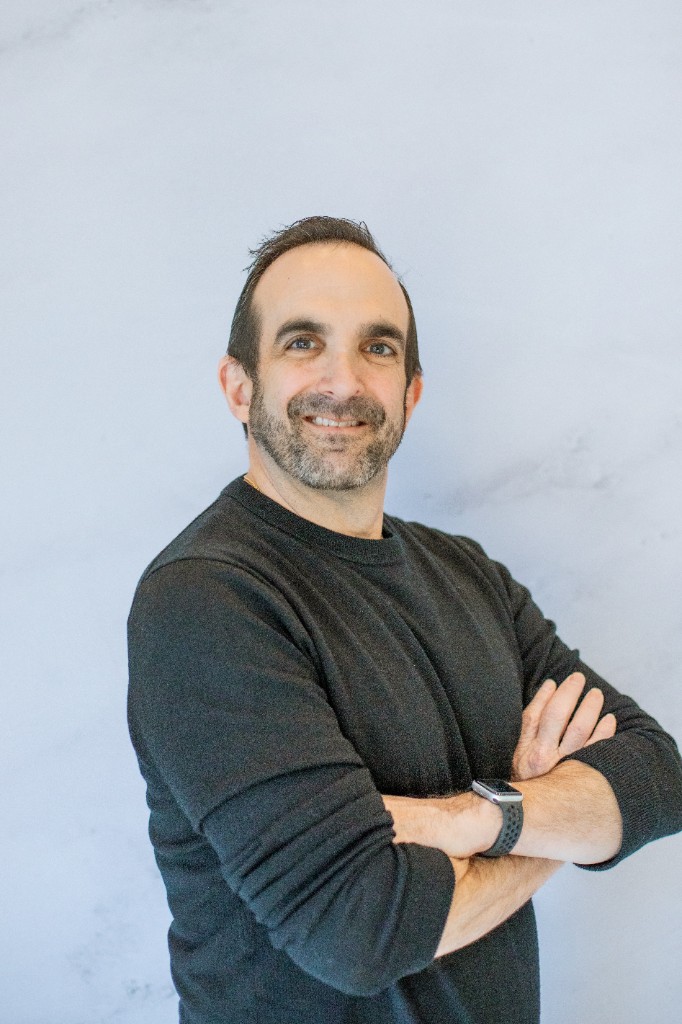
Brian M. Mittman, Esq.
CEO, The Disability Guys®
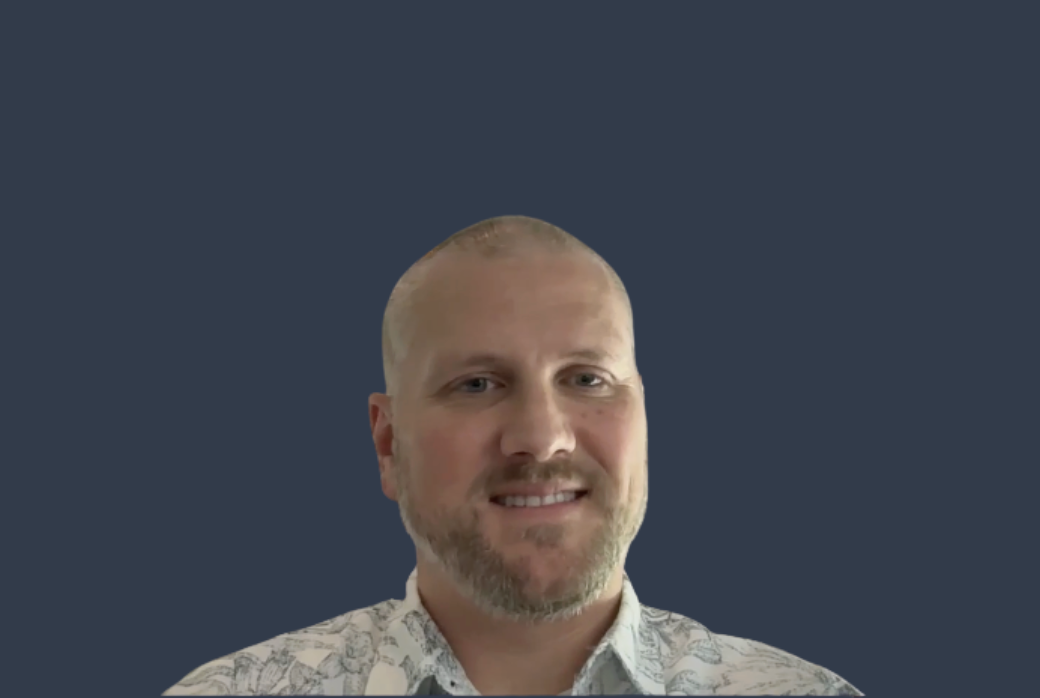
Luke Connally
Co-Founder, Superinsight.ai
About our guest
Brian M. Mittman, Esq. is Chief Executive Officer of The Disability Guys®, a third-generation disability advocacy practice whose roots reach back to 1933. Brian took the helm in the early 2000s, carrying forward a legacy that began with workers’ compensation in New York, expanded into Social Security disability and related programs, and today also includes veterans disability, long-term disability, and a network of relationships across the country so clients can get knowledgeable help when a matter reaches beyond New York or outside the firm’s core practice areas.
Brian’s path into this work was not linear. He started in mechanical engineering before shifting to political science and law, and he often draws on that background to think in systems: processes, efficiency, and how to spend more time on what matters for clients, especially the story they need to tell a judge or administrator. He is open about valuing lifelong learning, from running early firm technology upgrades to exploring automations and AI that can help teams review medical records, spot gaps, and advocate more effectively, always with professional judgment and verification.
At bottom, Brian frames the practice as helping people through difficult chapters: navigating overlapping benefits rules, building a solid medical record, and pushing for fair outcomes when insurers and agencies hold the leverage. The firm emphasizes clear communication, strong advocacy, and a client experience that acknowledges how stressful disability and injury cases can be. Brian also invests in education and outreach, including public webinars with organizations such as the U.S. Pain Foundation on Social Security and related topics.
Want to reach out? Drop a note at info@thedisabilityguys.com or give them a call at 866-205-2415.
Episode overview
Brian Mittman, CEO of The Disability Guys®, joins Luke Connally to discuss a third-generation practice that has helped people navigate disability systems for nearly a century, and why he describes the firm as a “93 year old startup.” They trace the firm’s roots from early workers’ compensation work through Social Security disability, veterans claims, long-term disability, and a broader referral network. Brian explains how workers’ comp, SSD, LTD, VA, and other programs can overlap for the same person, why the legal definition of “disability” is different in each context, and why thorough documentation matters, especially for invisible conditions. The conversation turns to AI in insurance and government, ethical competence and verification for attorneys, and how tools like Super Insight support chronologies, gap analysis, and stronger advocacy. They close with deliberate adoption of technology in the office, work-life balance and family, stoicism, and a hopeful view of technology and advocacy as a force multiplier for clients.
Topics we explore
- The “93 year old startup”: firm history since 1933, workers’ comp roots, and growing into SSD, veterans, LTD, and a national referral network
- From engineering and systems thinking to law: efficiency, process, and devoting real time to the client’s story for judges and hearings
- How benefits fit together: workers’ comp, Social Security, LTD, VA, and when one injury or illness touches multiple programs with different rules
- Why DIY navigation backfires: fee structures, adjusters, social media, legal definitions of “disability” that differ by program, and documenting invisible conditions
- AI in insurance and government: bias, institutional leverage, and how advocates can use tools to scrutinize decisions and push back
- Medical records at scale: volume practice versus individual attention; chronologies, gap analysis, and tools like Super Insight so attorneys focus on argument and client contact; ethics, verification, and deliberate AI adoption in the office
- Balance and belief: family and commuting, stoicism, “disability does not discriminate,” and a hopeful take on assistive tech and advocacy as a force multiplier
📝 Transcript
Luke Connally (00:07)
Welcome to the Super Insight Podcast and we're excited to have you here today. We explore the intersection of law, medicine and technology. And we love to speak with the people who are shaping how these industries evolve. And today our guest is a friend of ours, Brian Mittman. He's a third generation disability advocate who leads what he often describes as a 93 year old startup.
His firm has spent nearly a century helping individuals navigate disability systems like social security, disability, and workers' compensation while continuing to adapt to the changing landscape of law and healthcare. Brian's path into this work wasn't traditional. He began studying mechanical engineering, physics, and even moving into political science, and then eventually disability advocacy.
That background shaped the way he approaches the field today. He brings a problem solving mindset to some of the most complex cases involving medical records, disability determinations, and access to benefits. So in this episode, we're gonna talk about the legacy of a family practice that spans nearly a century, why disability advocacy is ultimately about access and dignity and how new technologies like
AI assisted medical record review are beginning to change the way advocates analyze and build cases. Brian also shares the philosophy that drives his work, personal experiences that shape his perspective on disability, and why he believes the future of advocacy will be defined by the thoughtful combination of human expertise and powerful new tools.
Luke Connally (01:55)
Brian, thank you for joining us and taking time out of your day. Excited to have this conversation.
Brian Mittman (02:02)
It's my pleasure to be here and I'm looking forward to a little chit chat.
Luke Connally (02:05)
Yeah.
Yeah. This is always fun. for those who don't know, we, get some of our best insight at super insight, from Brian Mittman. he's not just an attorney. He is, he is a guy who will surprise you because he is constantly working toward making things and innovating things in his own practice. which kind of leads us into, I'd love to kind of peel back.
some of the background and your background, specifically in your firm's background, give us a little bit of information. Oftentimes you'll describe your firm as kind of a 93 year old startup. Enlighten us, what does that mean to the listener and what do you see as your, you you are a third generation practice, correct?
Brian Mittman (03:03)
Yes, yes.
Luke Connally (03:03)
sure you'll
go into that. Tell us a little about the history of the firm and how that kind of manifested.
Brian Mittman (03:09)
Okay, that's a good insight to start with in terms of where I come from in terms of how I look at things and everything. So I probably appreciate that. Yeah, so believe it or not, I was in law school and I was working for a Court Street lawyer, literally on Court Street, and I just didn't like the guy and I quit one day and I'm having dinner with my father-in-law and he says, work for me while you look for a job. And the joke is I'm still looking for a job.
And so the practice was his father's before it started in 1933. He took over in the late 60s and then I took over about 2000, 2002 when my father-in-law retired.
I'm the young I was was the young guy right and and I was actually telling somebody this the other day I was like yeah, I was the one that was in charge of telling You know the team back in the 90s like there's this thing called windows We should move from DOS to windows and then I was in charge of the dot matrix printer and then I was in charge of the fax program so Anyway, I go back a ways but it comes from the fact that I was a mechanical engineer in college for a couple years before I switched the political
science so I always like to kind of tinker and build things and once I took over the practice a few years into it I was
not just practicing law, but running a business and trying to start to understand. So I'm always a lifelong learner. Learning is a huge value of mine. And I started looking into stuff, started learning about marketing and that led to how to run a business and all these other things. And at the same time, I had always had a inkling for technology. I waited in line in lower Manhattan to get the first iPhone. I wish I still had it just to have had it. And I remember.
Luke Connally (05:00)
It's a relic
Brian Mittman (05:01)
Yeah, but I remember
getting to be like, what is a app? Huh? Right, it was like, what is that dumb thing? But.
So as I looked at the business, was like, well, how do we improve? How do we get better? And I always liked this idea of the startups and, know, kind of, you know, lot of energy, a lot of, moving, a lot of doing things. And that's really where I've taken the business. I've looked at it and said, look, you know, where do we want to be in the next 93 years? Right. I have a great runway that I started down, but how can we do things better, more efficiently, make more of an impact in the world? My goal is very simple as I get to help people.
Luke Connally (05:33)
Yeah.
Brian Mittman (05:40)
navigate difficult times in their lives and level the playing field so that I can really help them. And right now I'm doing it through specific areas of the law and now with the, I mean, was automations and now with the automations and AI generation, I'm not scared of it. It's kind of crazy, but it is a way that I can really level the playing field. I can really try to help people make the experience better and push things forward. So that's
Luke Connally (05:57)
Yeah.
Brian Mittman (06:10)
Yeah, really where I'm coming from.
Luke Connally (06:12)
I
love that. You guys are really entrenched in the disability space. What originally inspired that focus? Because this goes back prior generations too, not just you aren't just the first one.
Brian Mittman (06:24)
Yeah.
So, you know...
It kind of, believe it not, coincided with things that I never even realized growing up. One of my parents' best friends had had polio as a kid and his adult life was in braces. And to me, he was just a normal guy. And in fact, I remember going to a concert with him and we used to, back in the day when he had tape recorders, he would hide it in his brace under his jeans. So we could like record, you know, shows. And so, and I saw how he both struggled and succeeded in life.
Luke Connally (06:41)
Yeah.
Brian Mittman (07:02)
It made an impression unbeknownst to me on me. Then I got involved and yeah, we were handling workers comp and the history is here in New York back in 1911 was the Triangle Shirtwaist fire the worst industrial disaster until 9-eleven 146 mostly immigrant women were locked into the eighth and ninth floor of the Asch building in lower Manhattan fire started ladders didn't reach it In fact the anniversary comes up next week and we go down every we take the whole office down for the anniversary
and it's really moving. put a ladder up to the sixth floor, which is the highest floor it went. But after that, the New York workers' comp law came into play. And then about 19 years later, when Abraham Markov started the firm, that for whatever reason, those were the first few cases he had, and he stuck with workers' comp.
Social Security disability came into play in 1954, but we didn't start doing it until I was in the practice in the late 90s. And from there, everything has morphed into not just those specific areas, but there's veterans disability, there's long-term disability. And while we don't do everything in-house, we have made connections throughout the nation to really try to help people get the help and the benefits they need in the way they need it because
People have kind of crappy experiences with lawyers and it's a big part of it is the lawyers fault. The systems mostly suck, right? And we're the ones that get beat up and then you get beat up all day, snap back, you don't respond, whatever. Not good business practice. And you know, our goal, my personal goal has always been, well, how do I make it better for people? I've had to hire attorneys for personal matters.
Luke Connally (08:41)
Yeah.
Mm.
Brian Mittman (08:52)
And I know what it's like sometimes. like, how the hell does this guy run a business? Are you kidding me? I find myself, I'm getting charged by the hour and I'm giving him advice or her advice. So I said, and that goes back to the innovation startup mentality. It's like, no, I'm gonna do things differently. I'm gonna constantly look at it. Maybe this works and maybe we don't change it. Perfect. But what if we could? What if there was something that was just better?
Luke Connally (08:55)
Yeah.
Brian Mittman (09:21)
And that's where I'm at. And that's how we got into disability.
Luke Connally (09:26)
Well, that's really interesting because you didn't start there. You mentioned engineering. You were heavy into obviously math and science, moving into engineering, physics, and even political science. Like what was that shift?
Brian Mittman (09:45)
Yeah. Well, you know, I joke now that I love to build and tinker. So really, I just wanted to be a dad who like built a tree house. I built a pretty kickass tree house. Built a pretty kickass tree house. We finally took it down recently, but it was a good tree house. But.
Luke Connally (09:55)
Love that.
Brian Mittman (10:04)
A couple years into mechanical engineering, I was actually having problems in physics. So I do what you're supposed to do, and I went to the teacher. And instead of the teacher being inspirational and trying to help you, he looks at me says, maybe this isn't for you.
Right, you know, here I was an A student coming out of high school and all this, and I'm running a C in this guy's class, and I just wanted some help. So, you know, I'm also a big history guy, buff anyway, and I was looking around and I said, hey, you know what, that's it. I got out of engineering, switched into political science because it just interests me. I ended up doing an internship in Washington, D.C. my junior year, working for a congressman. I was like, okay, I'm going to law school in D.C. I'm going to work in
Congress I'm going to do constitutional law. back in the early late 80s early 90s constitutional law. Now these days you can be on TV all day talking about constitutional law and didn't get to school in
Luke Connally (10:59)
Yeah.
Brian Mittman (11:05)
in DC, got waitlisted, got into school here in New York and got a nice scholarship and then my girlfriend, soon to be my wife, was like, well let's just move in together. I was like, okay. And the rest is history, as they say.
Luke Connally (11:17)
Yeah, yeah, yeah. That's
the right way to put it. The rest is history.
Brian Mittman (11:20)
Yeah, but you know, the kind of engineering, like I think I'm very good at looking at a process, looking at a flow chart, designing a flow chart, you know, thinking about the system, maybe not as good, you know, diving into it, I think that has helped us tremendously, because again, it is about helping people.
And if I can spend less time doing the annoying stuff or being more efficient at it, I can focus on sitting down with Luke and saying, hey, let's really talk about your story because that's the only thing you have to present to the judge or whoever's trying the case.
Luke Connally (11:40)
Yeah.
Yeah. Let's scratch that itch a little bit, because I would love to know kind of that process. What's that look like for somebody who isn't really familiar with that disability law space in general? What's that process actually look like for someone going through it?
Brian Mittman (12:15)
Yeah.
So that's a great question. this goes for all law, right? You don't need a lawyer. You hate lawyers until you need a lawyer. Right? And the only thing that we know is what we see on TV or stream or whatever about what the law is. Okay, fair enough.
Luke Connally (12:24)
Yeah.
Brian Mittman (12:36)
but disability.
I'm coming at disability to be, I came at disability as I do workers' compensation, I do social security, I'm a social security lawyer, I am a workers' comp lawyer. I no longer comment it that way, is I help people through difficult times, navigate the law, and I happen to do disability. And it's important because disabled individuals and their families, you could be born with a disability, you can acquire a disability, and I focus on
Luke Connally (12:59)
Yeah.
Brian Mittman (13:08)
the acquire part where for some reason a disability prevented a person from continuing to work and live their life, was there or is there a benefit that you can get? And I'm going to talk about that in a second, but it's also expanded far beyond that. There's planning. If you have a child with a serious neurodiverse disability, you need to make some plans for when you are no longer here, even if you don't want to think about it. And the best part is...
disabled individuals are individuals first and they happen to have a disabled label. And that means they get divorces, they buy houses, they get sued, whatever. They're just regular people with a label if they want it or not. And so that's how we approach it. But specifically we look at it we say, look, you have this condition, whether it's physical, mental, or both.
and you need something. So if you're working and you can no longer work, what benefits are available to you? If you got hurt while you're working, it is called workers' compensation, depending on what state you're in.
The amount of the money changes, how long you can get the money changes, what you can get changes, the medical care you get changes. For everyone listening, we all pay into Social Security. So when we're 67 years old, we can retire and collect Social Security. What happens if you're 51? You've become disabled, can no longer work, but you had paid into the system. Social Security disability, if you win it, can pay you an early benefit.
which is great, right, imagine that. So you're 51, you get Social Security until you're 67, then it converts to your regular Social Security. It's something that you've paid for. People have long-term disability insurance. A lot of employers or through the payroll companies offer long-term disability. That gives you some type of monthly payment while you're out of work. No medical, but a monthly payment.
And there's lots of rules there. So there will be situations where I have somebody who let's say they have a Service-connected disability from being in the service they've worked but now because of those conditions and some other stuff they have to stop working and Let's say they had to stop working because they slipped and fell off the ladder while they're at work So we have you still have your service, right?
Luke Connally (15:34)
That's trifecta at that point.
Brian Mittman (15:36)
even
more because you have your service-connected disability and you could potentially increase your rating. You have workers' compensation. If you're going to be out long enough, you could have social security. So that's three. Depending on where you are, the reason for falling off the ladder, let's say it broke, that's a defective products claim, so that's a lawsuit.
So right there you have multiple things and each one requires something else. Even though you're the same person, your injuries are the same.
Luke Connally (16:07)
Yeah, there's not a universal
form for that, unfortunately.
Brian Mittman (16:11)
No, and it gets,
and it starts to get confusing. Like, I used to think it was complicated in law school, but we have debates with all the attorneys and the staff here. Like, we'll see a case. And then we start talking about, okay, here's how it should go, but, and but, and then but, and it's like, my God, my head is spinning. Like, if we settle that case, but we do it this way, it affects it that way. And so, you know, my job,
as an attorney, and I like to use the word, we help you navigate. I'm like one of those movies where we're bringing the boat up the Amazon River, right? I'm the guy that knows where to go. You still might get eaten by a crocodile, because you're leaning over the side, but I'm going to do the best I can to get you safely. Listen.
Luke Connally (16:54)
Yeah.
Yeah, but I told you not to do that.
Brian Mittman (17:07)
This is just free advice for everybody. If you have any type of lawsuit or case, get off of social media. That's your alligator.
Luke Connally (17:17)
Yeah, I 100 % agree as someone who as a veteran who is in some of those groups and who's adjudicated VA claims like I don't touch the keyboard but I just watch and I'm like I can't believe it because if as soon as I touch the keyboard and say provide any kind of advice it turns into like, you know, a swamp
of, well, what about this and what about that? I'm sure it's the same as an attorney in that case.
Brian Mittman (17:45)
So I
recently did a webinar with the US Pain Foundation, great group, and it was on social security, and we're now going through all the questions, because we literally got hundreds of questions, and a lot of them were very specific, and I wouldn't ever answer them on air. That's really a one-on-one. But you could have the exact same issues with two people.
the exact same conditions and whatever, and it could be so different. And that's really the hardest part, right? Because I think we're all good people and we all think that things should be fair and stuff like that. And it's just brutal sometimes.
Luke Connally (18:29)
Would you say that those are the hardest thing about navigating is basically trying to do it on their own? mean.
Brian Mittman (18:38)
Absolutely. And I'm not saying this as an attorney because I want your case. Because again, you have to also understand that there's different ways an attorney or a representative who's an approved non-attorney representative, depending on the type of benefit you get.
gets paid. Most of them are preset fees where the administration or the judge has to approve the fee and it can only be up to a certain amount of money. There are some instances where somebody might charge you hourly, but for the most part, know, like social security is a great example. It's 25 % of the past money owed. Okay, that sounds like a lot, but...
If you're 55 years old and they owed you $20,000, I would get, right? I'd get a $4,500, $5,000 fee, And not only would you get the $15,000, you would actually then get monthly payments for years into the future. So, you know, when...
Every time you call the attorney, it's not like I'm going to ching, ching, no, charging for this call, like my business attorney or something like that. She doesn't do that to me. But that's one of the challenges. So people look at it and go, gosh, the attorney, and they're going to charge me, and they're going to do this, they're going to do that. And it gets really complicated. And then that's one reason they don't hire somebody.
Luke Connally (19:52)
Yeah. That's nice.
Brian Mittman (20:14)
And they say, I can do it on my own, or this makes sense. And I can't tell you enough that the words that you and I are using in speaking are what I will call everyday words. So I know you. you have a disability. You know me. you have a disability. That's the word we use. But.
Luke Connally (20:36)
Yeah.
Brian Mittman (20:37)
The definition of disability for legal purposes in a workers' comp case, a social security case, a long-term disability case, a short-term disability case are all different. So you can say what you think is reasonable and rational about your disability, and guess what? You can be 100 % right, and you can lose your case because that is not what...
the world is or the definition. people are like, my god, you know, the adjuster so nice in my lawsuit. Well, they're so nice until they're not nice. They have a job to do. They have their own person, their own company to protect. So you got to be careful with that.
Luke Connally (21:20)
Yeah, it makes sense. When you talk about disability, oftentimes there can be some different ideas or focus on what's going on with an individual. Like you alluded to some of that, but in many cases, there's like, there can be bigger issues, you know, the environment barriers.
that people are facing and that you think about the distinction of like different aspects of that.
Brian Mittman (21:50)
That's a really insightful question because what I've heard a lot from people in general is like, my god, I'm so much more disabled than she is. Or she doesn't look disabled. Luckily, in the last 20 years, the
Luke Connally (22:01)
Mmm.
Brian Mittman (22:10)
The understanding towards an acceptance of neurodiversity, for example, is so much different, right? If you had a child with Down syndrome, right? lot of the, actually there's a lot of walls out there that they favor, like, you know, what I would say, seeable, invisible conditions, right? They say, yeah, Down syndrome, definitely a disability. Okay.
but you could have somebody that has truly debilitating anxiety and they look healthy as a lark or whatever the saying is. And until you're in that person's shoes, you have no idea.
Luke Connally (22:45)
Yeah.
Brian Mittman (22:55)
And that's really a big challenge because that's how you and I are talking about how people talk about it in the community. So my youngest has a severe Tourette syndrome, and it's been in the news lately. There was a situation where there's a guy, an activist in England who has a movie about him, who he has what's called coprolalia, which about 10 % of people do with the condition. And they shout out curse words and stuff like that. So of course, they have him in the audience.
various things and two African American actors get up there, he shouts out the wrong word and what does the BBC do? The BBC goes ahead and airs only that clip. What they didn't air was he was cursing and saying things to everybody before and after. And the BBC also didn't prepare.
anybody, right? And so there's all this like chaos online about is it racism? And I can tell you having a loved one who has the condition that it ain't BS, right? And so the same exact thing happens to everything else. You know, when I have and we're going up against judges and adversaries
Luke Connally (23:48)
Yeah.
Yeah.
Brian Mittman (24:14)
who are people and have their own assumptions and thoughts. We don't know if the judge we're in front of has a child with a disability, has a loved one with serious mental health.
as mental health issues themselves, right? Excuse me. And what their worldview is. So the important thing is, and I tell this for everybody in the disability world, is document, document, document. You don't have to be quote unquote cured, fixed, treated, but you have to have it documented. It can't just be like, this is how I feel so I don't do anything about it. Well, that's great, but I can't do anything for you.
Luke Connally (24:54)
Yeah.
Brian Mittman (24:55)
It's the old, I hurt myself at work, but I took some aspirin. I didn't tell anybody for a year, but I need surgery now. How am gonna help you? Right, yeah, okay, tell somebody at work, go see a doctor. Never go back, that's fine, but you've now locked it in, so God forbid something happens down the road. And on the disability side, again, especially the invisible disabilities.
And that's huge. mean, you and I have, I think, spoken briefly before about, like, you know, in the veterans world, the PTSD and related. You know, it took, in the VA, I think it was 40-some years for them to finally start to recognize PTSD for Vietnam veterans. You know, it was nuts. Nuts.
Luke Connally (25:42)
Yep.
Yeah. And that's, and that was basically missing an entire generation before them as well. know, big miss. Yeah.
Brian Mittman (25:53)
yeah, know, shell shock, shell shock
is PTSD. Yeah, you know, hello.
Luke Connally (25:58)
Yeah.
Yeah, they didn't have an understanding of it. And there was TBI on top of that for a lot of those and just no understanding. So yeah, I get that. There is an aspect of time and knowledge of healthcare and medicine, obviously all of these different DSMs having to be updated. sadly it takes time for some of that, but.
Brian Mittman (26:08)
Absolutely.
Luke Connally (26:26)
It feels like it has to be like this overwhelming tidal wave before that happens sometimes.
Brian Mittman (26:33)
Yeah, and then
you add in AI and it becomes a bit scary because again, AI is only as good as the biases that underlie it. Right? So, and who has lots of money? The insurance companies and the government and they're starting to push into that and we're gonna be up against it. So it's like, well, how can we fight against them? How can we get up against it? How do we question what they've produced? How are you making these healthcare decisions? What is it?
Luke Connally (26:42)
Mm-hmm.
Brian Mittman (27:03)
I mean, for the most part, I this would be phenomenal from a medical perspective overall, but.
Luke Connally (27:09)
No, but those realities are real, especially, I mean, it doesn't take a blind man can see how entrenched insurance companies are in every aspect of what we do. let's hope that it doesn't become that way. And then you really have a different type of minority report.
Brian Mittman (27:34)
If you tell me.
Luke Connally (27:36)
Your insurance is denied. Why? Because I saw that you went to an appointment yesterday. Yeah. Yeah. A little scary, but a little too close to home. That's where things feel like they're headed sometimes. Let's move into the modern innovation of aspect of practice. That's what you've been working on.
Brian Mittman (27:41)
Yeah. Little scary. Little scary.
Luke Connally (28:01)
Your firm has taken a very technology forward approach to things, which isn't always typical in disability law. We've talked to a lot of attorneys and you're very atypical in that area. So what pushed you in that direction?
Brian Mittman (28:19)
Well, I think it was kind of the underlying of everything in terms of what I described in my own history. In fact, I remember back in the 80s in school doing like if-then coding. And there was sort of a punch card, and then there was actually like if-then, not even DOS coding. I had a great school district. They had a lot of resources. So we got exposed to a lot. We made like a little caterpillar game type of thing.
Luke Connally (28:35)
Punch card.
Brian Mittman (28:48)
Again, I can see where things could go. In fact, some of the trouble I've gotten into over the years in terms of adopting technologies, I'm almost too fast on certain things because what's promised and what the reality is, you're like, huh? Almost like AI was a year ago. Now.
Luke Connally (29:02)
Yeah.
Yeah.
Brian Mittman (29:11)
Again, it is, and it is changing every single day. from a purely selfish perspective, well, two selfish perspectives. One is from a business perspective, it makes sense to just try to really see where the trends are going and what you can do to be more efficient, to get better outcomes, and to really help people, right? From an attorney perspective, there are specific ethical rules that talk about attorneys must be
Luke Connally (29:30)
Mm-hmm.
Brian Mittman (29:41)
They don't have to be, they have to be proficient. They don't have to be experts, right? You can be proficient by literally saying, you know what, I need to do some better legal research and spend less time. I am going to buy this legal research platform and I am going to buy the AI that goes with it. And I'm gonna watch a couple videos on how to do it and then I'm gonna go do my legal research, okay? That would make sure that you're okay, right? But.
You know, you hear these stories of the attorneys that did briefs without checking the case law. I recently did a review of some stuff in a worker's compensation.
Luke Connally (30:17)
Yeah.
Brian Mittman (30:24)
legal area, not a specific case. And I really liked what the AI produced, but something wasn't bugged me. And I went back and I checked a few things. was like, hey, you know, I don't know if this is accurate. It went back, checked it again. So you're right. It's not accurate. So it is not perfect. If I had a first year associate, it's the same type of thing. So you have an obligation as a professional, as an attorney to be familiar with technology. cannot say, I don't know. Right. If you have an email, you have
to respond to emails. If you're not going to respond to emails, you better have a disclaimer.
right, that says thank you for your email, but I don't generally respond to legal issues on email. Please call my office and set up an appointment, right? I've seen attorneys sanctioned. I've seen things thrown out. In fact, I went to watch my son in court not too long ago, and he had, there was a motion, and he had been trying to set up depositions on the case. And.
Lots of back and forth with the other attorney, but the other attorney kept making promises and then never responding. So he goes in for the motion. The other attorney says, I need an extension. And my son's like, I'm judge. Normally I would say fine, but. And he hands the judge a printout of all these. And the judge reads them, throws them up in the air, and says, why the hell didn't you respond? Motion denied. And.
Luke Connally (31:34)
Yeah.
Brian Mittman (31:55)
If that means you're going to lose a benefit, that's not good. So attorneys are required to know technology. so those are the selfish reasons. The other part is just, I just love it. It's not going away. So why not embrace it? For all these years that I've practiced, I jokingly talked about going from DOS to Windows, dot matrix printers to laser prints. I've been through it all.
Luke Connally (32:22)
Yeah, you've seen some shifts,
haven't you?
Brian Mittman (32:25)
Yeah, and those were quote unquote slower shifts and now the shifts are just speeding up. Yeah, things are going to change but I look at it with the positive light of, yeah you want to be careful but you know what? How can you make this better for what you're doing?
Luke Connally (32:30)
Mm-hmm.
Yeah.
Which, gets me to kind of the area that, that we do a lot. Um, but I'd love to kind of understand. Aside from the ways that AI can help with it. What are, what are, where are the pain points and reviewing huge volumes of say medical records and, what does, what does that traditionally look like and where's that going?
Brian Mittman (33:09)
Yeah, that's, again, another great question. The pain points come from a couple places. One is, in a way, most disability law is a volume business.
There are cases that you could take where you could make a lot of money eventually and not have to worry about having too many. for the most part, it's a volume business. Yet each individual is entitled to and should get their own day in court and should get the 100 % focus of the resources that they've hired. And when I had started in practice, everything was paper. The pace was a little slower.
You had time to review stuff. One of my, a good buddy of mine started in the mass tort world back in the 80s. And he used to, one big case that they were on for years, they flew all the young associates out to South Dakota for two months. And like 10 young attorneys sat in a room all day going through thousands of banker boxes filled with paper. Right?
Luke Connally (34:19)
Gosh.
Brian Mittman (34:21)
So the difference is, using tools like Super Insight, I can now take 5,000 pages of medical and say, at a minimum, give me a chronology and a summary of all visits. I liken it to the runway. We're no longer on the taxiway heading out to the runway.
When I'm done with an AI search for medical records and a chronology, and if I ask it the right questions, such as where are my gaps, what am I missing, my wheels are already off. I might not be high off the ground, but my wheels are already off the ground. So it's like, I would much rather, if I'm going to put in 20 hours on your case, I would much rather spend, you
18 of those hours talking to you and doing the work in court than spending 18 hours preparing and then two hours doing everything else. The highest use of my time as a trained attorney is not to look through all that shit all the time.
Luke Connally (35:34)
Yeah.
Brian Mittman (35:36)
It's to look at it and to try to see the patterns and to try to see the gaps and that because for the most part, so social security is a great example. So you can lose your social security case because a judge looks at your file and you have three years of medical and a year ago for like too much you felt really good and the doctor kept writing how good you feel.
And they turn around and say, well, know, back in, you know, 2024, you felt really good, so your disability ended. Now, what I normally would have done, if I even picked up on that, right? Because that was a lot of records to go through.
Luke Connally (36:16)
Mm-hmm.
Brian Mittman (36:17)
I would look
at some records before, oh, he had an injection the week before, no wonder he felt good. Or I would look at it to show that it exacerbated, he got worse. And so I'll have judges, there's one particular one here in New York, I was like, wow, you know, on such and such a day and on page this, it said this.
Could you tell me where it says that the doctor recommended a cane? I can literally now be like, cane, right? yeah, well, judge, on this day it was recommended, it was prescribed on this day. And so it is an assist, right? It is that kind of like super assistant.
Luke Connally (36:50)
Yeah.
Brian Mittman (36:50)
that
helps you make a better case. It helps me focus on crafting an argument. my God, this guy's young, he's really messed up, but he doesn't look messed up, and the medical's okay. I can now go to my client, hey look, you know what?
We could win it, but we could really win it if you had medical like this or do this. Can you go back to the doctor? Do you want to refer to a different doctor? Should you go see? And that's where it really helps. It picks up things that we're human beings. We're just going to miss. It doesn't matter. We're going to miss it.
Luke Connally (37:29)
When you first started that process of looking for a solution to the problem, what were you really hoping to solve though?
because it sounds like you have taken it past the point where most people start.
Brian Mittman (37:40)
I'll be real.
I think there's, a very basic level, it was solving, hey, what do I have and what do I need?
Luke Connally (37:53)
Yeah.
Brian Mittman (37:53)
Because at the end of the day, medical reports drive every single type of disability case in your right for disability period. If you don't have the medical, I don't care how disabled you are. It's probably like a bad analogy or joke, but the person shows up with no arms and no legs, but they don't have a medical report that says they're disabled, you can lose.
That is extreme and crazy, but you could have lose. So, it was really about getting a grip on...
If you have so many cases, you can't spend so much time on every single case. can't hire your way out of it either. It wouldn't work as a business and you're not getting the service you need. So this was really about, wow, how can I, better luck where I was truly is, I wanted to solve for gap analysis. What am I missing? What am I missing? What do I have and what am I missing?
With that, I can do anything. I literally can do anything. I could even turn to a client and say, look, given everything here, you're wasting your time and you're wasting my time. There's nothing that's going to save this.
Luke Connally (39:17)
Would you say that
technology's really improved the way your team has kind of worked as a whole as well?
Brian Mittman (39:24)
Absolutely. You know, I think technology is a, like anything else, is a challenge. think adoption of technology is a huge challenge. Proper adoption is even bigger challenge.
but you can see the improvement in the efficiencies. And personally, I don't want to make it so I can work people harder. I like the old work smarter, not harder. You're going to work hard, but man, if you can do certain things better from everything from...
Even like, I think that like, let's take AI dictation of transcripts and phone calls, right? If you're properly recording a phone call, the programs now, not only will they give you a transcript if you need it, they'll give you a quick summary with some to-do's.
So now, I write notes everywhere I do the, now, you know what? End of the day, I get a little thing, say, hey, here's what you said you were gonna do from all your phone calls today. Oh, yeah, oops. We all get busy, we all get kids that get sick, we all get whatever, the dog has to be run to the vet. Whatever your thing is, it happens. And then you're about to go to bed and you're like, I forgot that.
Right? So I think it helps with that. And again, I think it's how you apply it. Right? It's not like this crap where remote workers, they're recording keystrokes and crap like that. I'm like, are you kidding me? Like, I have a good friend who, all through COVID, was like, he made everybody come in.
If I can't see them, they're not working. I go, no, you're just looking at people not working while you're looking at them. And so that was about changing how we worked in terms of setting up metrics and KPIs and all this stuff to say, hey, look, you know what? You've had a successful day. If your job is to answer the phones and every call is on hold less than 60 seconds, right? The team got onto it. They can measure it. They almost make it a game.
Luke Connally (41:17)
Yeah, yeah.
Brian Mittman (41:41)
They try to keep pushing the number down. You can better measure and follow up with stuff in a good way. And people, think, for the most part, really react to, hey, look, these are the things I promised to do. I have to do them. I'm to do them. I have these other tools to help me do them. Great. Some people will only do what you ask them. Other people will do more than you ask them. Either one works really well.
Because again, my business is, I don't want you to do stuff just to do stuff. I would actually rather you be on the phone with a client. Many times, we're the only person that a client knows or is talking to about their issue. So we get yelled at, we get thanked, we get hung up on, and it's all natural, That's why I give therapists a real lot of credit. I don't know if I could actually sit specifically and do that.
But then again, I'm like, I should be a therapist because that's what I do most of the time, helping people through this. And the technology helps everybody, especially internally, to really make sure things are happening.
Luke Connally (42:43)
Yeah.
That's good. I mean, that's, that's
kind of what we see, especially teams that are adopting it. Like, you know, you did say something that was interesting, good or how do you phrase it? Adopting it correctly or.
Brian Mittman (43:10)
Well, you're right.
Adopting it and then adopting it well or adopting it correctly or in the right way. If there's one thing I have learned from years of, at one point a bunch of years ago, we were trying to build our own case management system. Again, that comes from my background and I looked back on it I was like, I'm glad we didn't keep going with that, but I learned a lot and...
Luke Connally (43:15)
Yeah.
Brian Mittman (43:38)
As we're rolling out our artificial intelligence initiative here at the office, we're trying to be really deliberate with how we do it, not only because we want to be better with our processes and do it the right way, it's here to stay in our lives. So if people can become proficient and understand it here, they're going to understand it for themselves.
and whatever it is, right? We all have quote unquote, smart, dumb smart houses now. It's only gonna get smarter, right? And if you don't understand it, that's where you start to get into the little creepy side of things. Like, I gotta call somebody because I have no idea how to open the garage.
Luke Connally (44:11)
Yeah.
Yeah.
Yeah.
It's the old days when, what was it on cars? You could still do it. You can call them and.
Brian Mittman (44:37)
Oh, had the idea you could
change your oil. had a carburetor. I would change belts and Now I Mean the only cool thing that you can really do now is you can buy yourself a little handheld computer know where the little plug is pop it out plug it in read the code so that when the You know when the service guy tells you it's gonna be $10,000 because of this code you can see yeah, but that code means this that's about it
Luke Connally (44:42)
Yeah.
and read the code.
Yeah. And then they proceed to tell you after that, well, I also didn't have to remove the whole engine to get to that part before. So that's what we have to look forward to. man. Let's, let's talk about you. You got a lot going on. got the firm, you have family, you have pets, you're busy guy. How do you balance all that?
Brian Mittman (45:16)
Exactly.
Luke Connally (45:34)
How do you maintain that grounded person?
Brian Mittman (45:42)
You know, it's really about, I like the kind of entrepreneurial story of, hey, I became an entrepreneur, I opened up my own shop, and then I am now working for a crazy guy, right? So the idea is, are you in business and doing your thing to serve the business or to serve yourself? So you have to build your life around what is best for you. you know.
I work with a business coach, right? I have my own therapist. Again, I'm constantly trying to learn and improve. I'm a bit of a student of stoic philosophy and I try to every day have some rituals and some things that I do, even breathing. But I've prioritized in my life sleep, hydration.
exercise, nutrition, and improvement. when one of those is out of whack, it kind of throws everything out. But it allows me to try to balance how I do things. So I like to tell the story. I live up in Westchester, New York, about 35 miles from downtown Lower Manhattan. And our office was in Lower Manhattan forever.
And around 2007, I had four young kids at home, four kids in five years, four young kids at home, and all this stuff was going on. And we were in a huge space downtown because after 9-11, we did what every smart person did. We moved further downtown because you got all these incentives. So I was literally commuting, whether I took the train or drove, about 2 and 1 half to three hours a day, no matter what.
even on a good day, right? But that was, I'd say two and a half hours on average. And I had a buddy up here and watched us, he's like, oh, well, you know, if you come up here, I'll, you you can use, you know, my space. So was like, you know what, screw it. And I decided to do it and people are like, oh, you can't do it because of your business, this and that. So a few things happened. One, got a sub tenant in my space downtown. A year later was the big crash in 2008. My business has thrived.
And the most important thing is I went from two and a half hours of commuting a day down to about 15 minutes.
Luke Connally (48:14)
That's a game changer.
Brian Mittman (48:15)
And I presented that one time and I did the numbers. I forget what it was, but something crazy. was like, hey, know, two and a half hours, da da. And it was something like, literally at the time I did it, was like 185 days of my life at that point had been saved. Days, not hours, not minutes, days. My kids grew up with me literally leaving here at 3.30, going to a game, watching a game, doing this, and then I'll come back to the office.
They were like, what do you mean you can't come to my game? And that really changed my perspective on things because life is short and it's not easy and there's a lot of stress, it's finding that something that helps you balance.
Luke Connally (48:52)
Yeah.
That's good, good advice, especially given that that's a large load you carry. mean, running the business, running a business, there's people that depend on you and clients that depend on you. So that's a lot to carry. Plus wanting to be present as a dad, that's my biggest goal in life is right there. So.
Brian Mittman (49:30)
Yeah.
No, that's it. I'll tell you, as a father of four, some 20 somethings, one who's going to be 30, I can't believe it. You know, I have a really great relationship with all the different, but just and it's, you know, and I attribute it to because I tried to be as present as possible. There's times that you're not going to be whatever's going on. But for the most part, you know, that's all you have.
Luke Connally (49:31)
being present.
Brian Mittman (49:59)
And I didn't say this in the beginning, but this ties everything together. And I tell this to people all time, disability does not discriminate. Right? You can be blessed with a, you know...
Luke Connally (50:08)
Yeah.
Brian Mittman (50:14)
You're having a child born with something. You can acquire a disability. It could be short term. It could be long term. But it doesn't discriminate. It doesn't give a crap how much money you have. It doesn't give a crap about anything. It just happens. And that's where, you know, one is having your mindset in the right place is good and then trying to understand, where can you go after the fact? What can you do? That's important.
Luke Connally (50:25)
Sure.
Yeah.
Yeah,
that's a good point. It's very, very helpful. That's good perspective is what that is. And I would say stoic philosophy is a good philosophy in the face of that type of adversity. So, I've been there and can relate significantly.
Brian Mittman (50:47)
Yeah.
yeah.
It doesn't mean you don't feel. doesn't mean... I hate the idea when people are like, stoics have no emotion. That's not what it is. It's how you perceive life, right? Challenges. What is going on?
Luke Connally (51:05)
No, just things that you, yeah. Yeah.
Yeah,
you accept and face the aspect of where you're at and you push hard forward. It's not a layover and give up philosophy.
Brian Mittman (51:23)
Right? You know.
No,
not at all. doesn't mean you have to like what's happening. You can hate what's happening, right? But it's happening, right? So your response is going to be everything, period.
Luke Connally (51:36)
Yeah.
Right. You got to deal with it. That's the that's the difference.
Yeah. Well, you
know, we're kind of up against the clock here, but so in closing, what would you say are some things that you think maybe the future of disability advocacy has in store and what would you leave, if you could leave listeners with one thing, what would you kind of want them to remember from this conversation?
Brian Mittman (52:13)
Well, I think in terms of the future of disability advocacy, I really actually think that individuals with disabilities, however you identify yourself, things are going to get so much better for whatever your disability may be.
Luke Connally (52:33)
Yeah.
Brian Mittman (52:34)
I recently got stuck in an Instagram spiral, but it was with a comedian who has cerebral palsy, is mute, and does his whole stand-up shtick from AI on his phone. Could not stop crying. I was laughing so hard. And that would not be possible without that particular technology. So I think that, you know, as I said before, is
Luke Connally (52:50)
Wow.
Brian Mittman (53:04)
We're all individuals, we just happen to have different labels. And I think that's going to improve. In terms of the advocacy, if it's used right and if it's used well, we're going to be able to level the playing field. Why should these multi-billion dollar insurance companies or whatever government agency rule over you when the rules specifically say A, B, and C, and you can prove that? And it's better outcomes. So that's what I'm looking forward to.
Luke Connally (53:33)
Yeah,
force multiplier is there. can't, you can't be overpowered or out resourced necessarily. mean, you, you know, have, have the ability. Yeah. Yeah. Agreed. Well, I appreciate your time today, Brian. And, if, if, if somebody out there who needed help, wanted to get ahold of you, what's the best way to kind of make contact with your firm?
Brian Mittman (53:36)
Yeah.
Listen, you can, but to me seems like there's more of a fighting chance now.
You can reach out to at info at thedisabilityguys.com and our number is 866-205-2415. Feel free to give us a shout out. We have a lot of free resources. And again, if we can't handle your case directly or know the specific answer, we're pretty damn good at finding the answer for you and getting in touch with the right people.
Luke Connally (54:23)
That's
great. That's awesome. That's the way it should be. So thanks again, Brian. We enjoyed this. Yeah. All right.
Brian Mittman (54:29)
Thank you for having me, Luke.
Related episodes
- Christopher Pozios: From Burnout to Balance - Rethinking Law Firm Growth
- Dawud "D.K." Shillingford: From Boots to Innovation, Shaping the Future of Veteran Advocacy
- Paul Bunn: How Faith, Purpose, and Hope Rebuild the Lives of Veterans
- Katie Reed: Family, Resilience & AI-Powered Legal Innovation
Transform Your Legal Practice with AI
Ready to experience the future of legal technology? Superinsight.ai offers AI-powered medical record review that can transform how your law firm handles complex cases.
Join hundreds of law firms who have already embraced AI to improve efficiency, accuracy, and client outcomes.
Start Free Trial